Businesses trading across Africa are increasingly bypassing the U.S. dollar for cross-border transactions. They now favor local currencies. This shift speeds up trade and eases financial pressure. Supported by new payment systems and increased local manufacturing, the total intra-African trade volume is projected to hit a record $250 billion this year. Major cities are emerging as key hubs for this economic growth.
AfCFTA Predicts Massive Growth at Invest Lagos Summit
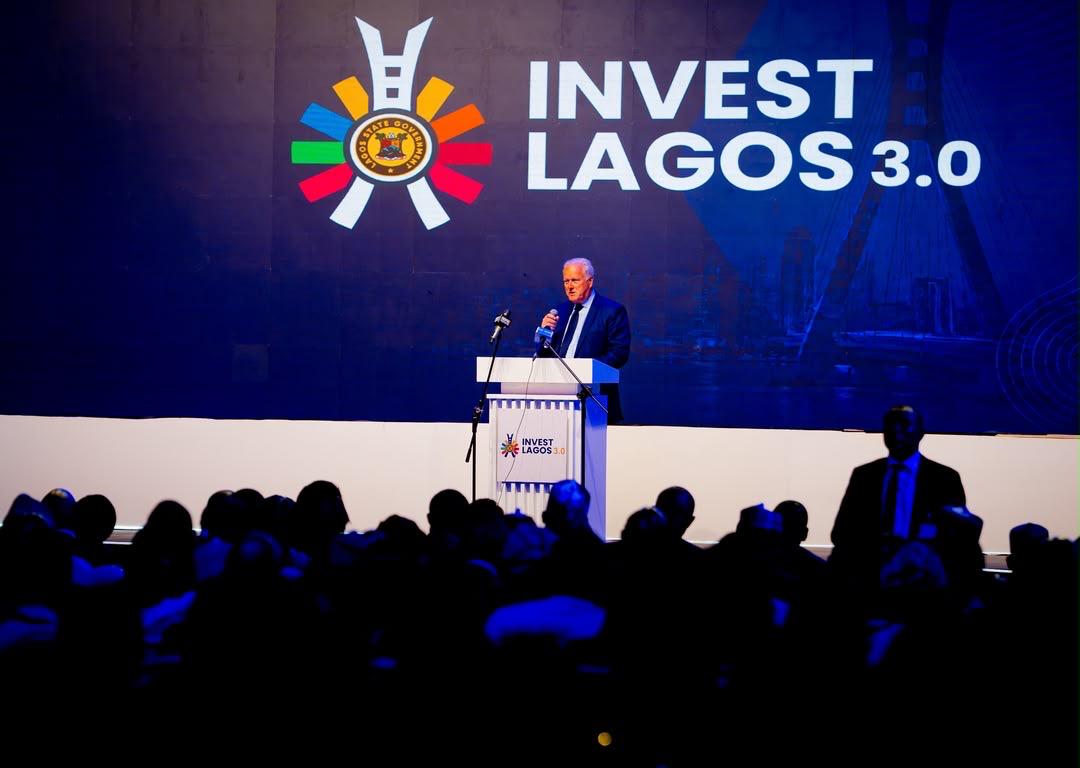
At the ‘Invest Lagos 3.0’ Conference held in Victoria Island, the Secretary-General of the African Continental Free Trade Area (AfCFTA), Wamkele Mene, made a major announcement. He stated that the continental trade bloc is on track to achieve a massive annual intra-African trade volume of $250 billion in 2026. According to the AfCFTA Secretariat, 50 African countries are currently implementing the trade agreement. All foundational protocols guiding the pact are now formally concluded.
During the summit, the AfCFTA leadership officially commended the Lagos State Government for its digital and industrial initiatives. They explicitly identified the city as a leading model for Africa’s industrialization and continental integration. During the same event, officials announced that Lagos has officially secured the hosting rights for the next Intra-African Trade Fair.
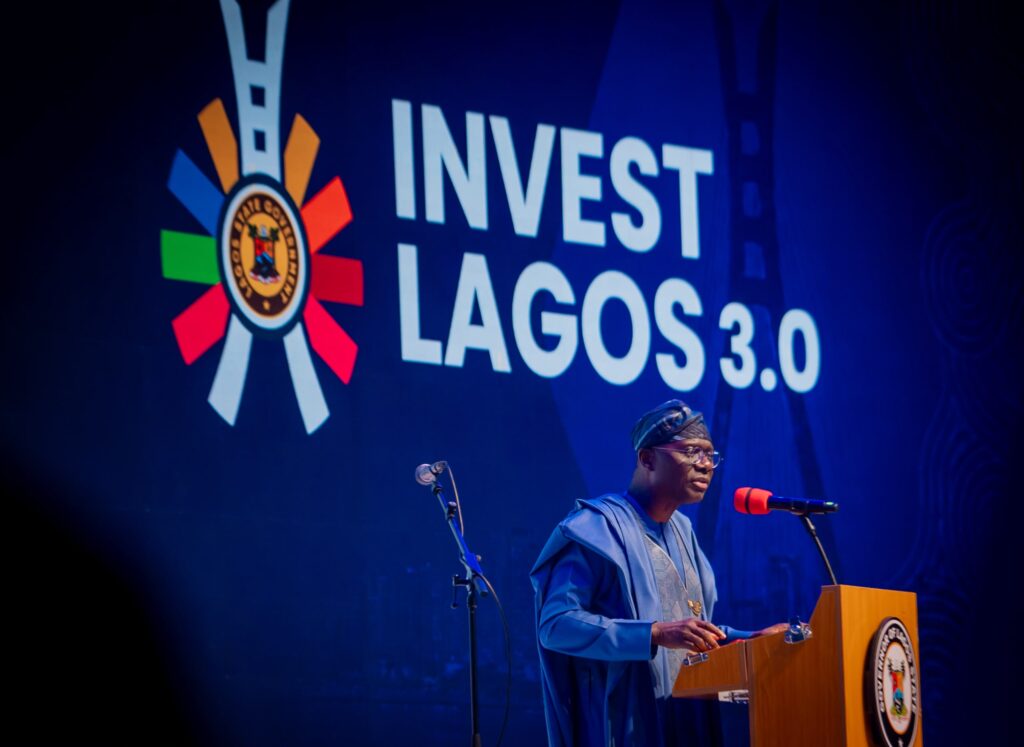
Mene spoke on a panel moderated by Samantha Cohen of the Commonwealth Enterprise and Investment Council. He emphasized the operational rollout of the Pan-African Payment and Settlement System (PAPSS) to facilitate local currency trade. He also called for the wider adoption of visa-on-arrival and visa-free policies. These steps will ease the movement of African business travelers. Lagos State Governor Babajide Sanwo-Olu affirmed the state’s deliberate focus on critical infrastructure to align with these continental objectives. This move is supported by the imminent launch of the state’s Industrial Policy for 2025–2030.
Moving Past Trade Barriers to Protect African Markets
This development represents a tangible progression in the AfCFTA’s implementation trajectory. It signals a shift from the ratification of protocols into the operational mechanics of real-world trade. The targeted increase in intra-African trade volume, alongside the deployment of PAPSS, indicates that the focus has definitively pivoted. The new goal is dismantling non-tariff barriers and facilitating seamless financial exchanges. By actively lauding sub-national entities like Lagos, the AfCFTA Secretariat is decentralizing the integration effort. They recognize that municipal industrial policies and tech ecosystems are where the actual trade in goods and services originates.
Furthermore, this renewed emphasis on domestic markets serves as a direct defensive strategy against global economic volatility. The AfCFTA Secretariat highlighted that recent external shocks have exposed Africa’s deep vulnerability to global supply chain disruptions and import dependence. These shocks range from the COVID-19 pandemic to geopolitical tensions in Ukraine and the Middle East. Consequently, strengthening the total intra-African trade volume and investing in digital public infrastructure are no longer just long-term aspirations. They are immediate strategic imperatives designed to insulate the continent from external economic shocks while expanding local value addition.
The projected increase to $250 billion in 2026 marks a significant $30 billion growth from the $220 billion recorded in 2025, according to data provided by the AfCFTA Secretariat. Additionally, underpinning the continent’s future economic capacity is the projection that Africa’s digital economy will reach a valuation of $712 billion by 2035. This highlights the immense scale of technology in facilitating cross-border commerce.
Overcoming Infrastructure Gaps on the Coast
However, a glaring gap remains in the physical logistics required to sustain this ambitious trade expansion. Despite the operationalization of trade protocols and digital payment frameworks, foundational transport infrastructure and border management remain severely underdeveloped. The AfCFTA Secretariat itself acknowledged that transporting goods between Lagos and Abidjan takes too long. The distance is merely 1,080 kilometers, but it currently takes up to 17 days due to a complex web of multiple checkpoints and border-related issues.
This severe logistical friction actively affects the cost benefits of tariff reductions. It highlights a crucial unmet commitment by regional governments to guarantee the free movement of goods.
In the immediate future, market observers should closely monitor the practical execution of the Lagos Industrial Policy. They must track the dispersal of the newly announced ₦10 billion LASG-BoI MSME financing initiative. The effectiveness of these localized funding mechanisms and policy frameworks will serve as a test. It will prove whether Africa’s major urban centers can successfully scale their manufacturing capacities to meet the ambitious intra-African trade volume targets set for 2026.