

Zimbabwean farmers and agribusinesses will soon enter a massive $3.4 trillion unified market to boost regional supply chains. This sweeping regulatory shift completely eliminates import tariffs on 97 percent of agricultural and manufactured items. Consequently, this policy transitions the nation away from merely exporting raw commodities. At the 18th Meeting of the AfCFTA Council of Ministers in Abuja, Zimbabwe formally endorsed the Agri-trade Action Plan.
The strategic initiative prioritizes harmonizing sanitary and phytosanitary (SPS) standards across borders. Furthermore, participating nations will aggressively eliminate non-tariff barriers on strategic crops like cotton and cashew. Zimbabwe is currently finalizing the official gazetting of its continental tariff offer. Therefore, the country will establish a phased five-to-ten-year tariff elimination schedule to protect fragile local markets.
Exploring Intra-African Agri-Trade Momentum
Zimbabwe’s vibrant export economy already shows exceptional commercial momentum in early 2026. For example, the nation recorded 42 percent export growth to reach $4.45 billion between January and May. However, overall intra-African trade remains disproportionately low at just 15 percent of total continental trade. Conversely, internal trade across European nations regularly hovers around 60 percent.
The immediate regional potential for Zimbabwean producers is substantial. For instance, the lucrative South African paprika market alone commands an annual value of $39 million. South Africa already serves as Zimbabwe’s largest active trading partner. Yet, only 1 percent of local micro, small, and medium enterprises (MSMEs) currently export goods regionally. Therefore, this agricultural trade plan creates a profound opportunity for agricultural producers.
Regulatory Reforms to Boost Regional Supply Chains
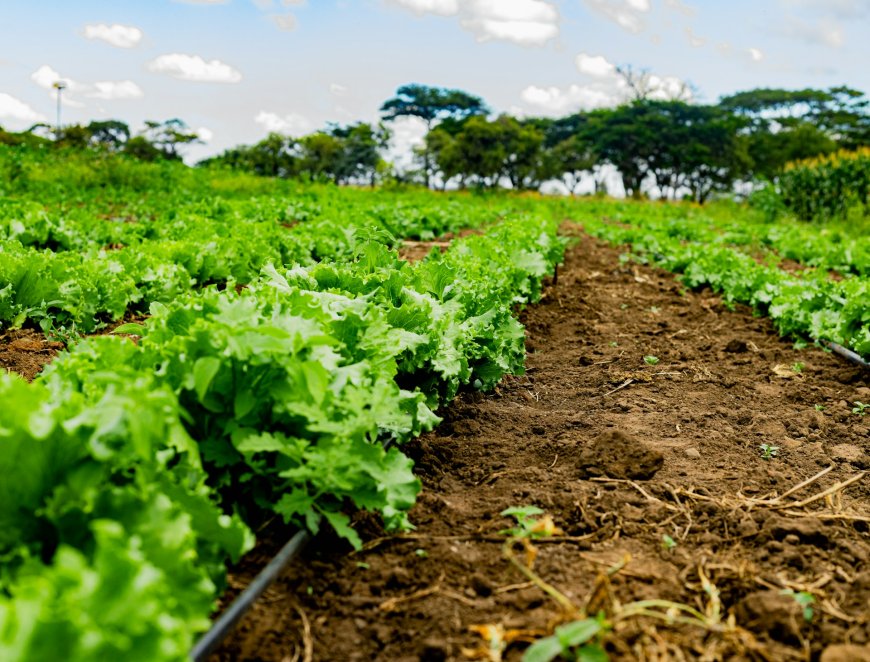
Implementing simplified compliance regimes will rapidly boost regional supply chains throughout Southern Africa. Zimbabwe is executing these targeted upgrades in partnership with the Alliance for a Green Revolution in Africa (AGRA). This collaboration successfully eliminates the prohibitive, time-consuming costs of regulatory compliance. Consequently, local exporters can competitively expand into lucrative, untapped markets like Libya, Algeria, and Egypt.
However, real usability depends heavily on the ability of local producers to scale their output. Zimbabwean horticulture fields face intense continental competition from neighboring farming nations. Success requires improving domestic capacities to address post-harvest losses while leveraging value-added processing. Therefore, the country must translate this theoretical opportunity into actual market share before protective domestic tariffs disappear completely.
Integrating Finance and Continental Frameworks
This agricultural strategy operationalizes the vital Zimbabwe Agriculture Investment Plan (ZAIP II). The national framework targets transitioning local agriculture into a massive $13.75 billion industry. Continentally, the move advances the African Union’s historic Malabo Declaration commitments. Furthermore, the AfCFTA Secretariat actively supports Zimbabwe’s integration by helping expand its Strategic Grains Reserve Systems by 225,600 metric tonnes. This expansion securely anchors domestic food security.
Fortunately, formal agribusinesses can quickly leverage the digitized E-Tariff Book and the Rules of Origin manual. However, informal cross-border traders and smallholder farmers still face acute structural challenges. For them, market integration demands urgent business formalization to access preferential tariff rates. Underpinning this entire agricultural expansion is the critical need for robust trade finance.
The continent currently faces an estimated $80 billion trade finance gap. To mitigate this hazard, the AfCFTA Adjustment Fund mobilized $1 billion to offset tariff revenue losses. Additionally, the Pan-African Payment and Settlement System (PAPSS) allows cross-border transactions in local currencies. Therefore, Zimbabwean small businesses can drastically reduce foreign exchange risks. These digital financial tools, combined with strong political will, safely ensure that the country will boost regional supply chains.