
Navigating between West African economic hubs and the Atlantic island tourism markets will soon require fewer grueling layovers. Specifically, a major new network expansion aims to achieve Nigeria Cape Verde flight connectivity to support cross-border commerce and leisure travel. Historically, moving passengers from Lagos to Praia involved circuitous routes through European cities or North African hubs. This structural fragmentation imposed exorbitant ticket costs and lost operational hours on regional businesses. To bridge this critical infrastructure gap, aviation stakeholders are establishing direct direct flight corridors.
Modern Flight Paths and Tourism Potential
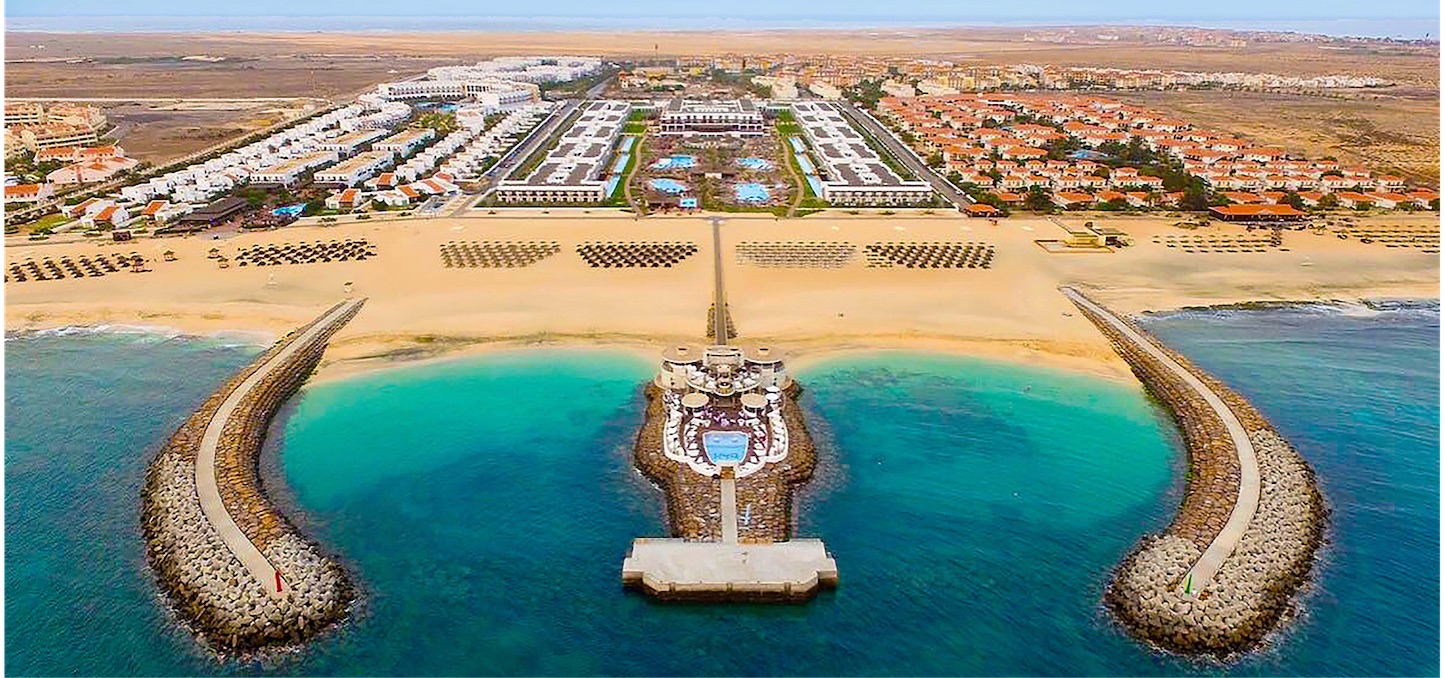
This development stands against a stark connectivity deficit within the West African subregion. Although West Africa possesses immense cultural and economic synergy, regional airspace remains heavily restricted. Consequently, the launch of a direct route creates a profound economic opportunity. Cape Verde serves as a prominent maritime and aviation node, processing millions of international visitors. Meanwhile, Nigeria represents the continent’s largest domestic consumer market.
Therefore, linking these two distinct markets allows travel networks to route transfer traffic efficiently. Local tourism boards can co-promote unified West African travel packages to international and domestic holidaymakers. In addition, direct access drops flight times from upwards of twelve hours down to under four hours. This speed allows corporate professionals to coordinate short-notice investment missions with higher certainty.
High Operational Costs and Fuel Pressures
But the long-term viability of this air corridor depends heavily on improving local operating conditions. While physical routes are now open, regional carriers face intense macroeconomic pressures. For instance, airlines must navigate elevated jet fuel prices and foreign exchange constraints across West Africa. Consequently, if these structural operational costs remain unchecked, ticket prices will remain prohibitively high for the average traveler.
This regional strategy aligns closely with the objectives of the Single African Air Transport Market (SAATM). Furthermore, it supports the broader goals of the African Continental Free Trade Area (AfCFTA). Nevertheless, a severe implementation gap persists because national governments hesitate to grant free traffic rights to regional airlines. High passenger handling fees at local terminals continue to artificially inflate regional airfares.
Impact on Small-Scale Merchants
On the other hand, this direct air link will affect formal and informal actors differently. Large corporate hospitality chains and licensed tour operators stand to profit directly from secure business contracts. Conversely, informal cross-border traders encounter steep financial barriers to entry. Because legacy carriers prioritize premium pricing models, smaller independent merchants risk exclusion unless airlines introduce flexible cargo rates for light freight.
In conclusion, the direct flight connection marks a calculated step toward realizing a truly borderless African sky. To finish this integration, policymakers must match physical aircraft deployment with regulatory tax reforms at the border. For more updates on aviation networks, check our guide on African transport infrastructure
