
If you’re planning your first African safari and searching for the best African safari for first-timers, this guide breaks everything down clearly.
You know that feeling when you’re on TikTok or Instagram, and you’re just scrolling through, watching lions stroll across golden grasslands like they own the place? (Well, they kind of do.) That moment when you tell yourself, “I need to see this in real life”?
If you’ve been dreaming about going on safari but don’t know where to start, you’re in the right place. Planning your first African safari can feel overwhelming – there are so many countries, so many parks, and honestly, so much information online that you might just give up and book a trip to Dubai instead.
But the thing is: an African safari is one of those experiences that will stay with you forever. It’s not just about seeing animals (though that part is incredible). It’s about feeling small in the best way possible, being part of something ancient and wild, and getting stories you’ll tell for years.
Let me walk you through the best safari destinations for first-timers – places that will blow your mind without stressing you out.
Kenya

If Africa had a “Safari 101” class, Kenya would be the teacher. This is where most people start their safari journey, and for good reason.
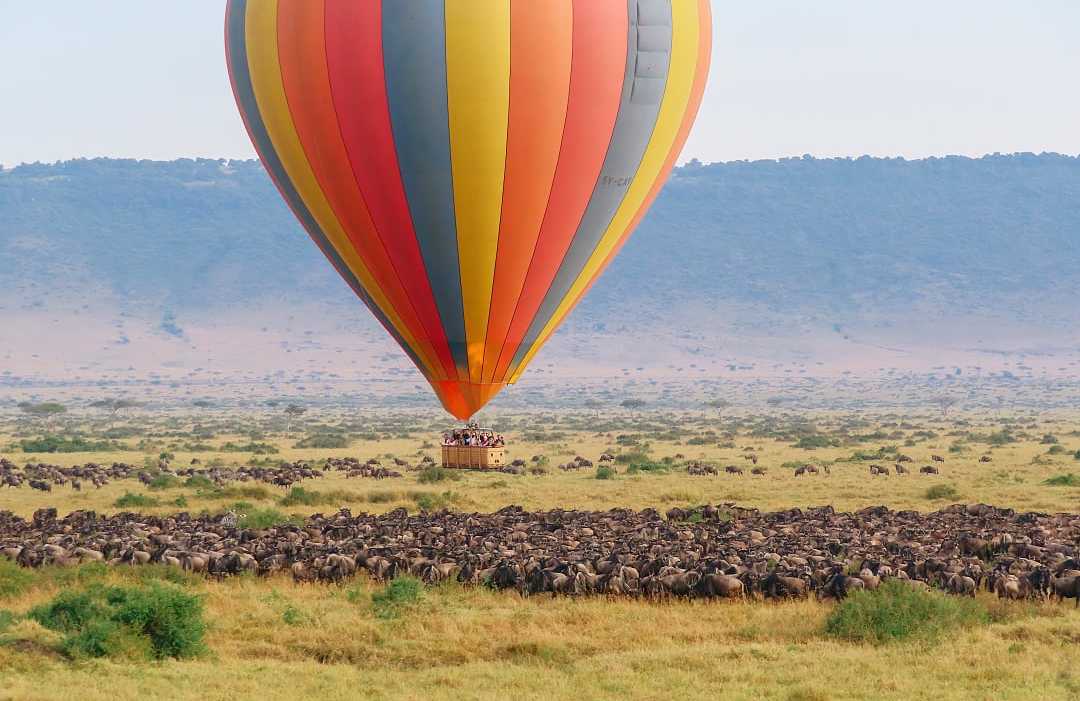
The Maasai Mara is probably the most famous safari destination in the world, and it lives up to the hype. Between July and October, you can witness the Great Migration – millions of wildebeest and zebras moving across the plains in search of greener pastures. Imagine standing there, watching thousands of animals stretching as far as your eyes can see. It’s the kind of thing that makes you forget to take photos because you’re too busy staring.
But even if you miss migration season, the Mara is still packed with wildlife. Lions lazing under acacia trees, elephants marching with their babies, giraffes doing that elegant slow-motion walk they do. The landscape itself is stunning – those endless golden grasslands you see in movies? That’s the Mara.
Kenya also has Amboseli National Park, where you get those iconic shots of elephants with Mount Kilimanjaro in the background. Yes, Kilimanjaro is technically in Tanzania, but the best views? They’re from the Kenyan side. The park has huge elephant herds – some of the biggest tuskers in Africa – and the sight of them against that mountain backdrop is something else.
What makes Kenya perfect for first-timers is the infrastructure. The lodges and camps are well-established, the guides know their stuff, and getting around is relatively straightforward. You’re not going to feel lost or out of your depth here.
Tanzania

Right next door to Kenya is Tanzania, and some people will argue (very passionately) that Tanzania’s safari experience is even better. I’m not here to start fights, but Tanzania definitely deserves serious consideration.
The Serengeti is massive – we’re talking almost 15,000 square kilometres of protected wilderness. It’s part of the same ecosystem as the Maasai Mara, so that Great Migration? It happens here too, just in different months. The Serengeti is less crowded than the Mara, which means you might have entire sightings to yourself. Imagine you and your guide, a pride of lions, and nobody else for miles. That’s the Serengeti experience.
Then there’s the Ngorongoro Crater, which is basically nature’s own amphitheatre. This massive volcanic crater is home to an incredible concentration of wildlife. You drive down into the crater floor, and suddenly you’re surrounded by animals – black rhinos (which are super rare), lions, hippos, and flamingos in the lake. It feels like being inside a nature documentary.
Tanzania also has the advantage of being slightly less touristy than Kenya in some areas. The trade-off? It can be a bit more expensive, and some areas require small planes to get around. But if you have the budget and want that “remote wilderness” feeling, Tanzania delivers.
South Africa

Now, if you’re the type who wants your safari experience to come with excellent wine, amazing food, and a spa, South Africa is calling your name.
Kruger National Park is one of Africa’s largest game reserves, and it’s incredibly easy to navigate. You can actually drive yourself through Kruger if you want (though I’d recommend going with a guide for your first time). The park has every animal you want to see – the Big Five (lion, leopard, elephant, buffalo, and rhino), plus cheetahs, wild dogs, hippos, giraffes, and about a million different birds.
What makes South Africa special is the private game reserves that border Kruger – places like Sabi Sands and Timbavati. These reserves have some of the most luxurious safari lodges in Africa. We’re talking private plunge pools, gourmet meals, and game drives in open vehicles with expert trackers who can spot a leopard from a kilometre away.
The guides in these private reserves are next-level. They don’t just show you animals; they tell you stories, track animals on foot (from a safe distance), and help you understand the ecosystem. You’ll learn the difference between male and female dung beetles, and somehow, that will be fascinating.
South Africa is also great for first-timers because it’s malaria-free in many areas (including some parts of Kruger), the roads are good, and you can easily combine your safari with a trip to Cape Town or the wine regions. It’s a safari for people who also want other experiences.
Botswana
Okay, Botswana is slightly more advanced-level, but hear me out. If you have the budget and you want an exclusive, high-end experience, Botswana is unmatched.
The Okavango Delta is one of the most unique ecosystems on Earth – a massive inland delta that floods seasonally, creating this watery paradise in the middle of the Kalahari Desert. You do game drives here, yes, but you also explore by mokoro (traditional canoe), gliding silently through reed-lined channels while elephants wade nearby.
Chobe National Park has the highest concentration of elephants in Africa. We’re talking thousands of them. During the dry season, they gather at the Chobe River, and you can take a boat safari to watch them swimming, playing, and drinking. The baby elephants are ridiculously cute, by the way.
The thing about Botswana is that it follows a “low volume, high value” tourism model. There are fewer camps, smaller groups, and higher prices. But what you get is an incredibly intimate experience with nature. You won’t be jostling with ten other vehicles to see a lion kill.
Zambia
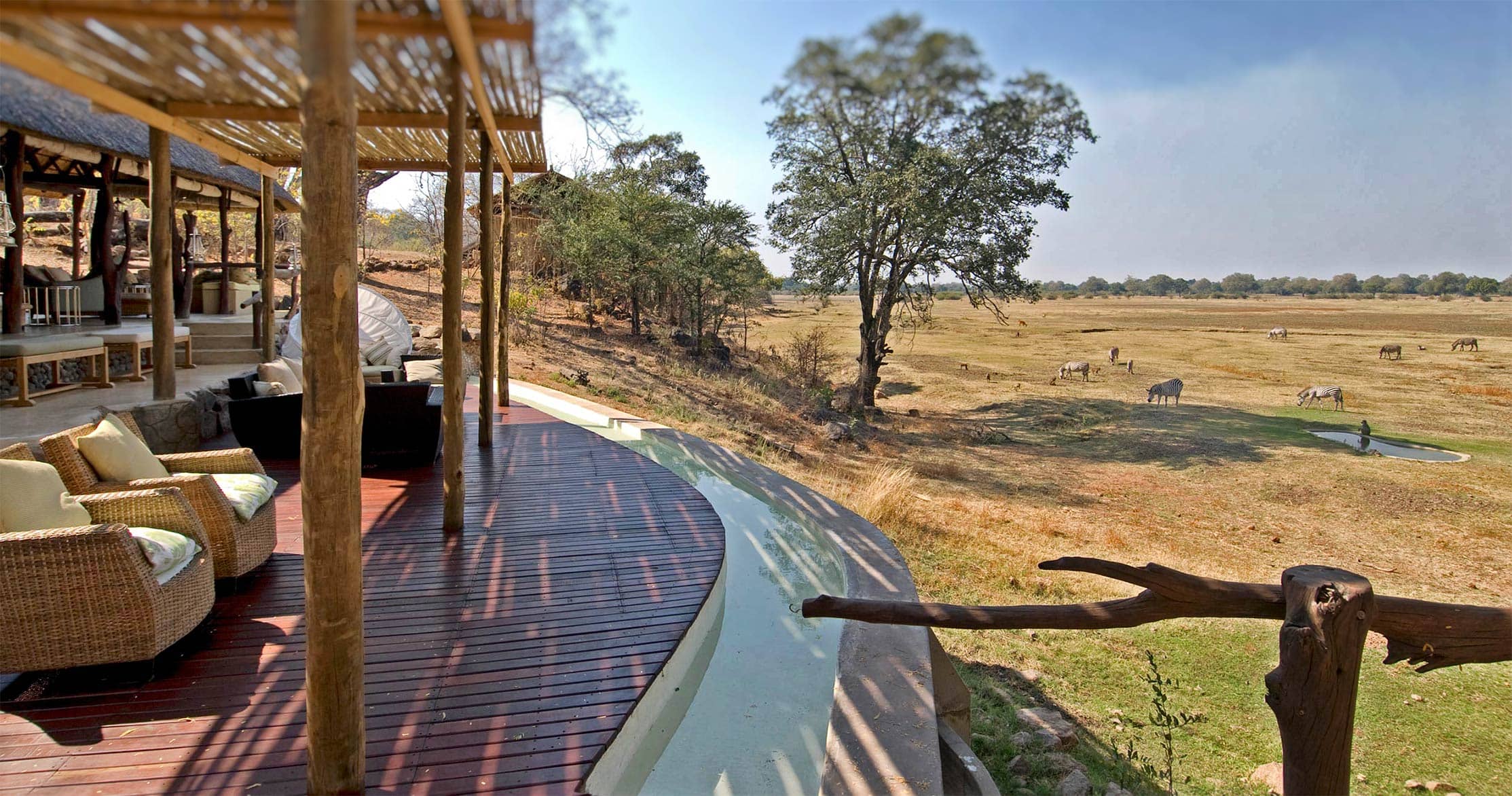
Zambia doesn’t get as much attention as its neighbours, which is exactly why you should consider it. South Luangwa National Park is one of Africa’s best-kept secrets.
This is where the walking safari was born, and it’s still the best place to do one. There’s something completely different about being on foot in the bush – your senses wake up, every sound and smell matters, and suddenly those “boring” things like animal tracks and bird calls become fascinating. Obviously, you’re with armed guides who know what they’re doing, but there’s an element of adventure that you just don’t get from a vehicle.
South Luangwa is famous for its leopards. The park has one of the highest leopard densities in Africa, and night drives here often result in leopard sightings. Watching a leopard hunt under a spotlight is thrilling in a way that’s hard to describe.
The lodges in Zambia tend to be smaller and more intimate than in other countries, and the prices are often lower too. If you want a genuine, less commercial safari experience, Zambia should be on your list.
What You Need to Know Before You Go
A few practical things that will make your first safari smoother:
- Timing matters. Dry season (roughly June to October for most countries) is considered the best time because animals gather around water sources, making them easier to spot. The grass is also shorter. But wet season has its perks too – baby animals, lush landscapes, and lower prices.
- Pack neutral colours. Leave the bright colours at home. Khaki, olive, brown, and beige help you blend in. Animals can see bright colours, and you don’t want to be the person who scares away the leopard because you wore a red or neon yellow shirt.
- Bring good binoculars. Your guide will have some, but having your own pair means you won’t miss anything. Trust me, you’ll want to watch that eagle on a distant tree.
- Don’t overpack. Most safari lodges offer laundry service. You don’t need 12 outfits for a week-long trip.
- Be patient. Safari isn’t a zoo. Some days you’ll see everything. On other days, animals will be hiding. That’s nature. The waiting and searching make the sightings even more special.
What nobody tells you about going on safari is that it changes something in you. There’s a moment – maybe it’s when you lock eyes with a lion, or watch elephants taking care of their young, or see a leopard draped over a tree branch – when you realise how incredible our planet is.
You’ll come back with thousands of photos (most of them blurry because that giraffe wouldn’t stand still), but what stays with you is the feeling. The smell of the bush in the morning. The sound of a lion’s roar in the distance. The chirping of birds. The way the light hits the savanna at sunset.
Africa’s wild spaces are magical, and they need us to care about them. Going on safari shouldn’t just be about ticking something off your bucket list – it’s about connecting with nature in a way that’s becoming increasingly rare in our world.
So pick your destination, book that trip, and get ready for one of the best experiences of your life. Your first safari is waiting, and honestly, it’s going to be amazing.
Safe travels!

