

Driving massive growth in Ghana tourism sector revenue relies heavily on travelers increasingly seeking immersive African experiences, heritage sites, and culinary traditions that are evolving into significant financial drivers. Even as official frameworks are still being finalized, the surge in tourism is already providing a tangible boost to the economy—revitalizing local catering, increasing homestay occupancy, and delivering capital directly to Ghanaian entrepreneurs.
The Ministry of Tourism, Culture and Creative Arts (MoTCCA) officially launched the Sector Medium-Term Development Plan (SMTDP) for 2026–2029, a strategic framework designed to diversify Ghana’s tourism products and source markets. Under the leadership of Minister Abla Dzifa Gomashie, the plan outlines an estimated GH¢4.35 billion investment to achieve a 50% increase in sector revenue and a 70% growth in international visitor arrivals by 2029. The plan prioritizes five flagship programs, including Tourism Infrastructure and Heritage Development, and aims to boost the creative arts sub-sector by 40%.
Economic Milestones Targeting Ghana Tourism Sector Revenue
This development follows a period of robust post-pandemic recovery, validated by the Ghana Tourism Authority and the Ghana Statistical Service. The SMTDP framework focuses on developing niche markets such as medical, eco, and conference tourism while actively engaging the African diaspora through continuous initiatives like the “Beyond the Return” campaign. It was prepared through broad consultations with government institutions, civil society, the private sector, and traditional authorities, with technical support from the National Development Planning Commission.
The numbers showing the trajectory of Ghana tourism sector revenue reveal aggressive growth compared to both historical and regional benchmarks. In 2024, the sector earned $4.82 billion from international visitors, marking a 27% increase from the $3.8 billion recorded in 2023. This revenue leap positions Ghana among Sub-Saharan Africa’s fastest-growing tourism economies.
According to the Ministry’s data, tourism’s contribution to the national GDP reached 6.2% in 2023, up from 4.9% in 2019, supporting over 800,000 direct jobs. Looking ahead, government projections indicate that the sector could generate up to $8.3 billion annually by 2027, driven by an estimated 4.3 million international arrivals.
Equally significant is the quality and duration of these visits. Ghana’s newly published Tourism Satellite Account data captured over 900,000 inbound visitors in a single year, recording GH¢15.42 billion in total tourism expenditure. The median stay for visitors is 12 nights, with European and North American travelers averaging up to 28 nights. This extended length of stay sharply contrasts with standard transit tourism, pushing substantial capital into local accommodation, which accounts for 38.9% of spending, and food and beverage, which captures 24.1%.
Connectivity Enhancements and Implementation Gaps
This growth relies heavily on deliberate improvements in connectivity and entry facilitation. The expansion of visa-on-arrival facilities for travelers from other African nations, alongside the United States and the United Kingdom, has drastically lowered barriers to entry. Furthermore, increased flight route frequencies from major carriers like Ethiopian Airlines, Qatar Airways, and Delta have enhanced global and intra-African access to Accra. Combined with ongoing upgrades at the Kotoka International Airport and the construction of the Kumasi International Airport, these logistical enhancements are crucial for converting global interest into actual arrivals. To cross-reference global destination compliance and check sustainable preservation indices, you can review the official UN Tourism portal to track international standards.
Ghana’s 2026-2029 SMTDP operates within a broader network of national and continental frameworks, directly aligning with the African Continental Free Trade Area (AfCFTA) and the African Union’s Agenda 2063. By positioning gastronomy and heritage as strategic export pillars, Ghana leverages “culinary diplomacy” to strengthen trade ties and cross-border mobility. The recent UN Regional Forum on Gastronomy Tourism for Africa emphasized this exact alignment, noting that food tourism empowers communities and diversifies economies.
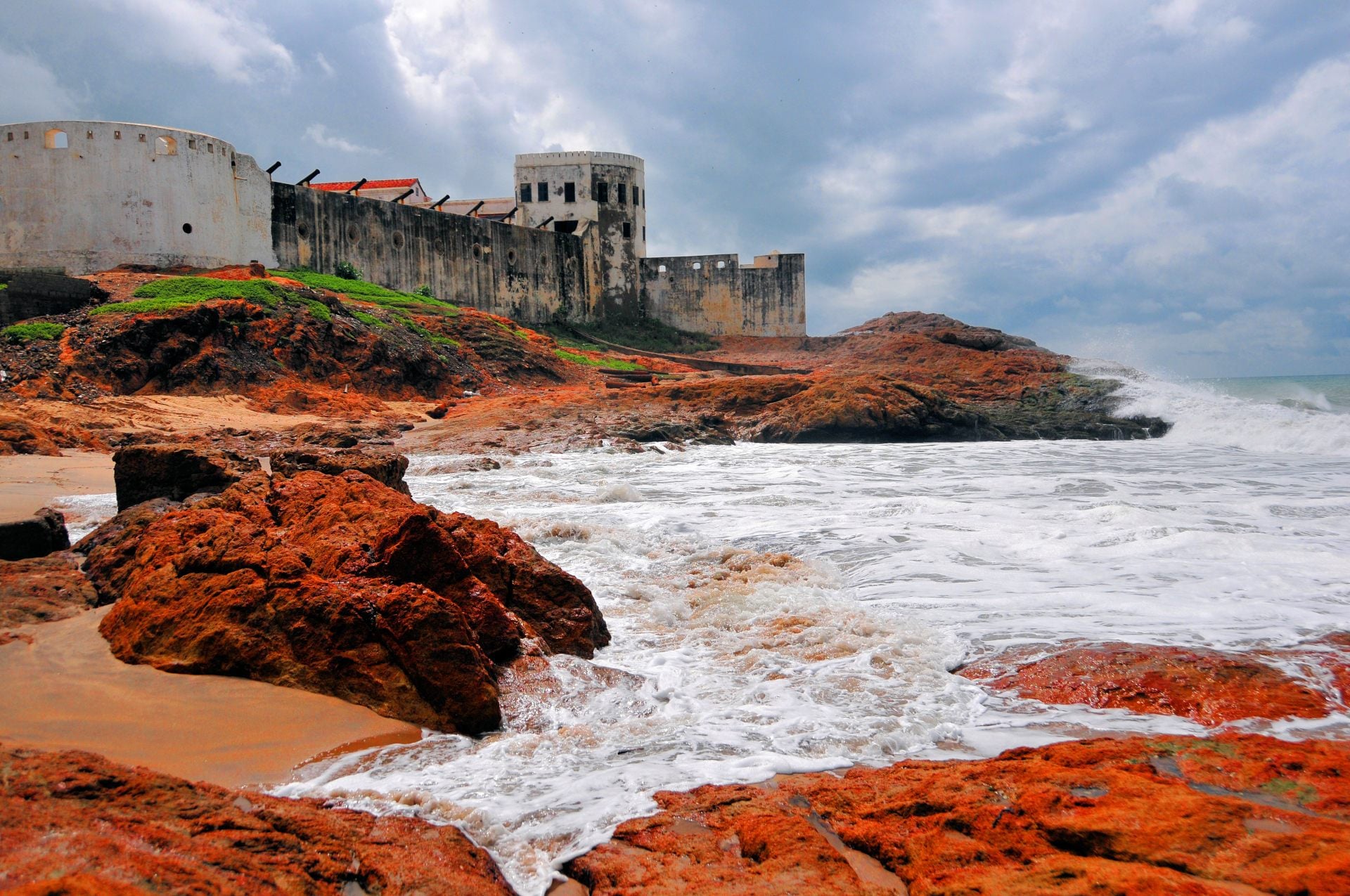
Furthermore, the plan incorporates principles from UN Tourism by prioritizing sustainable, community-based tourism and the safeguarding of UNESCO World Heritage Sites like the Cape Coast and Elmina Castles. However, an undeniable tension exists between these high-level sustainability goals and on-the-ground environmental realities, as rapid coastal tourism development often conflicts with the urgent need for climate-resilient infrastructure.
Despite the optimistic data, severe infrastructural and financial gaps threaten the plan’s execution. Delays in road network construction to remote but critical sites such as Mole National Park and the Paga Crocodile Pond continue to hinder the geographic diversification of tourist traffic. Furthermore, the GH¢4.35 billion plan faces a substantial funding deficit; historical data from the previous cycle showed a massive gap where only a fraction of expected government and donor funds materialized. This financial uncertainty directly impacts stakeholders who struggle with poor site facilities, inadequate sanitation, and delayed public-private partnership rollouts.
For Small and Medium Enterprises (SMEs) and local communities, the SMTDP presents a dual reality of vast opportunity and systemic hurdles. On one hand, the formalization of homestays through platforms like Airbnb and the development of community-based tourism in areas like Nzulezu inject direct income into rural households. On the other hand, roughly 60% of tourism businesses remain informal, limiting their capacity to scale, access formal credit, or fully benefit from national training programs. If local populations are not given adequate financial support and training, the push for eco-tourism could inadvertently alienate the very communities meant to serve as its custodians.
Looking forward, industry observers should closely monitor the full operationalization of the Ghana Tourism Development Company’s Tourism Investment Platform, launched in early 2026. This digital booking and investment infrastructure is expected to release its first comprehensive performance metrics by late 2026. To ensure this development translates into sustainable success, policymakers must prioritize decentralized infrastructure financing and aggressively formalize SME operators, granting them access to the capital required to secure the foundation of this multi-billion-dollar ambition.
Ghana Unveils Digital e-Visa System and Waives Fees for African Travelers
