

For years, passengers and cargo moving between the African mainland’s largest aviation hub and the Indian Ocean island of Mauritius faced mandatory detours through Johannesburg, Nairobi, or Antananarivo. This routing cost travelers hours in layovers and limited seamless trade flow across the continent. Now, the introduction of a five-hour-and-twenty-three-minute nonstop link eliminates these geographic problems. This shift draws Mauritius closer to the continent while opening up one of Africa’s most successful freeport logistics hubs to dozens of new markets.
On June 1, 2026, Ethiopian Airlines Group announced a major network expansion. The carrier will introduce new Ethiopian Airlines Mauritius flights between Addis Ababa Bole International Airport and Port Louis, Mauritius. Slated to commence on July 12, 2026, the service will run three times weekly, specifically on Wednesdays, Fridays, and Sundays. Flight ET887 will depart Addis Ababa at 08:50, touching down in Port Louis at 15:20. The return flight ET886 will leave Mauritius at 16:15 and arrive back in Ethiopia at 20:45. According to Ethiopian Airlines Group CEO Mesfin Tasew, this route will enhance business, trade, and tourism by bringing Mauritius directly into the carrier’s broader network.
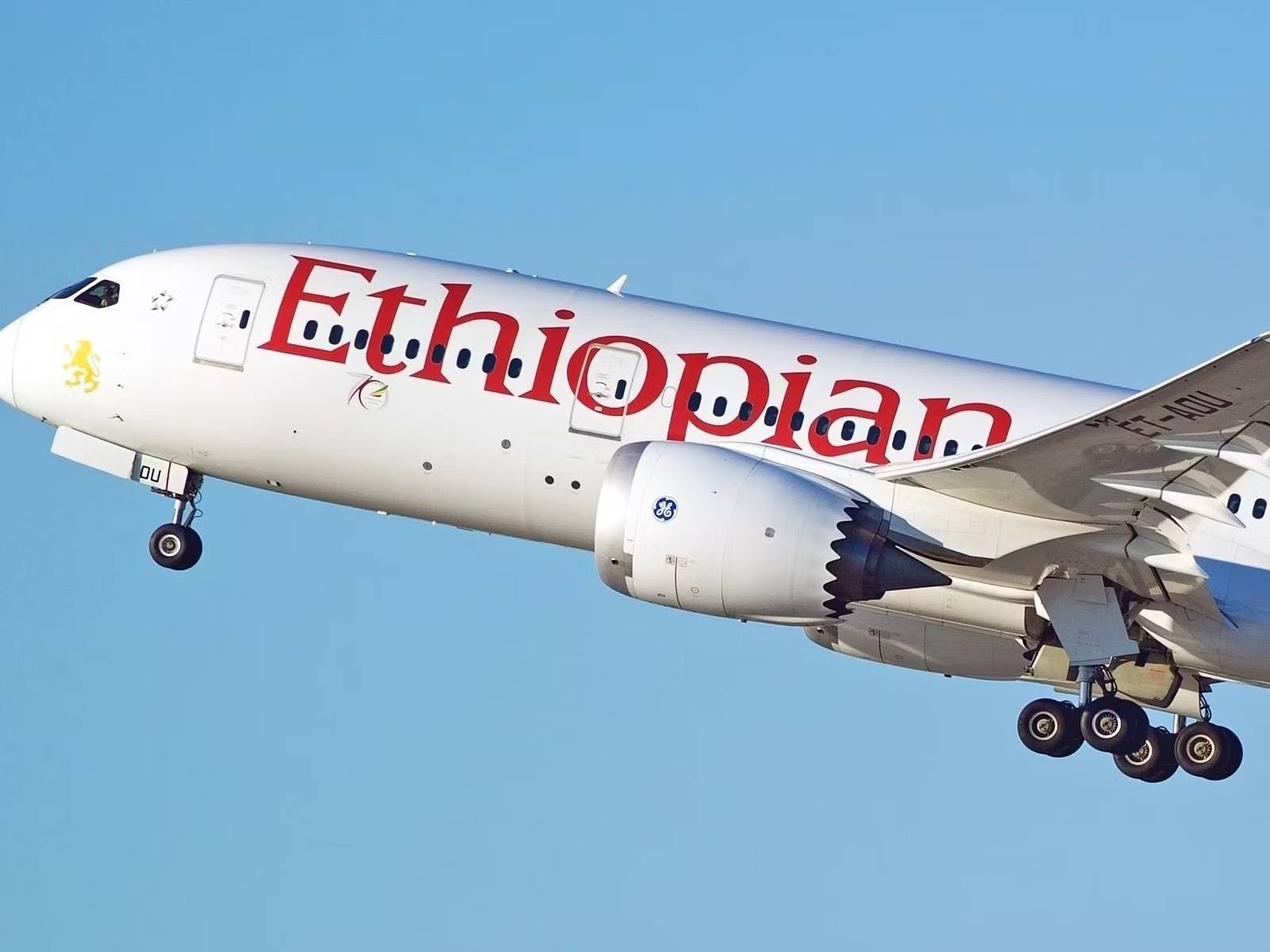
Boosting Intra-African Air Connectivity with Ethiopian Airlines Mauritius flight
Within the broader picture of regional aviation, this route underscores a critical shift toward direct links. Ethiopian Airlines Mauritius flight now operates as the continent’s dominant connector, managing 14% of all flights and 21% of all seats for sale within sub-Saharan Africa. By integrating Mauritius directly into its Addis Ababa hub, the airline links the island nation to 65 African cities and more than 145 global destinations. This positions Mauritius as substantially more accessible for business travelers and tourists, replacing previous indirect routing problems.
The implications extend far beyond passenger tourism. In fact, cargo connectivity frequently acts as the true economic driver for these regional markets. Mauritius has aggressively positioned itself as a financial center and a logistics platform bridging Africa and Asia, anchored by the Mauritius Freeport. By tapping into the carrier’s cargo network—the largest in Africa, handling over 2,000 tons daily—Mauritius gains streamlined supply chain access. This integration of passenger and cargo capacity creates natural synergies for importing, storing, and redistributing goods throughout Africa. These trade links directly support regional e-commerce and multimodal logistics growth.
Commercial Metrics and Ticket Fares
Looking at the commercial metrics driving this route, June 2026 advance economy fares tracked start near ₹20,000, with an average fare sitting around ₹33,500. Prices follow clear seasonal demands. Fares drop to their lowest in June, September, and October. However, prices peak upwards of ₹51,000 to ₹60,000 during the December and January holiday rush.
The nonstop block time will take approximately 5 hours and 23 minutes, covering 3,868 kilometers without layovers. With the airline maintaining around 120 aircraft to support its Vision 2035 plan, its vast scale provides this route with sustainable capacity.
This expansion aligns with the Single African Air Transport Market (SAATM) mandate to liberalize civil aviation and drive economic integration. The airline’s ability to unilaterally replace restrictive codeshares with a direct operation demonstrates the practical benefits of open continental skies. This development advances the Pan-African goal of seamless mobility by reducing travel time. If you want to see how this fits into wider regional trends, read our previous report on air transport liberalisation and open skies in Africa. SAATM & AfCFTA: Shaping Africa’s Tourism Landscape.
Moving forward, the immediate focal point remains the operational launch on July 12, 2026. The initial service run is slated through September 30 and remains subject to government approval. The long-term viability of the route will provide a crucial test for sustained East African and Indian Ocean connectivity.

