
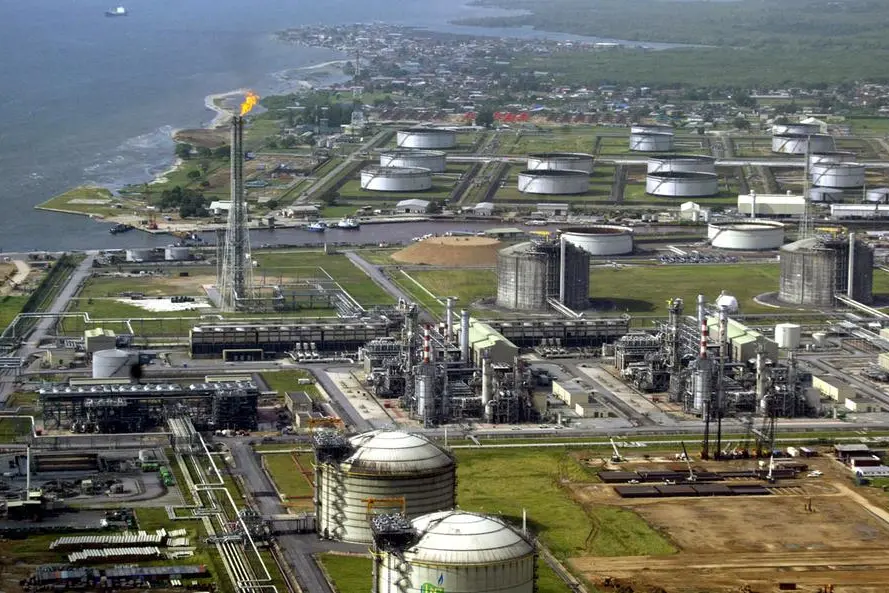
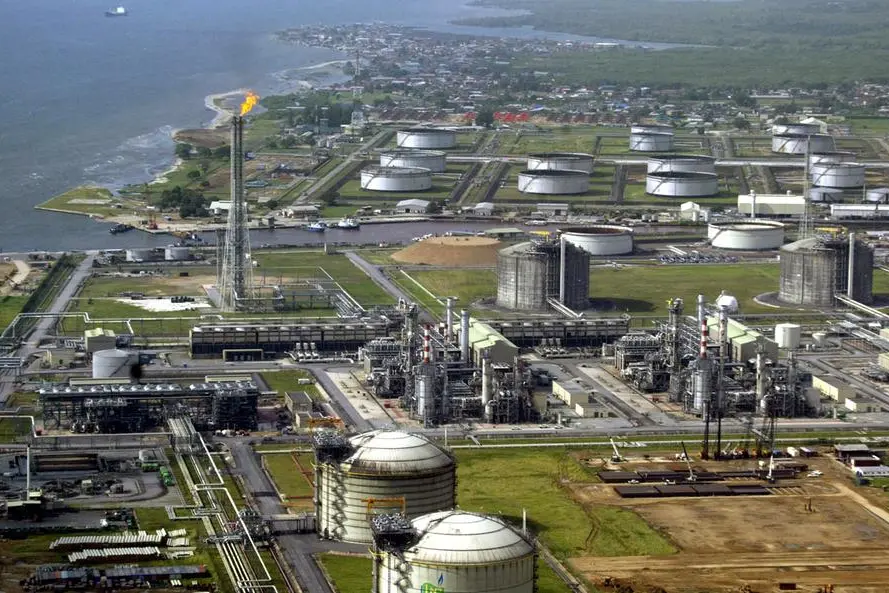
For a local manufacturer in Lagos or a cross-border trader moving agricultural goods to Accra, the cost of energy dictates business survival. When a massive indigenous industrial project cannot secure local crude oil and is forced to rely on imported crude from global markets rather than consistent domestic supply, the everyday cost of fuel and logistics for African SMEs stays artificially high. This reliance on imported processed goods limits the capital available for cross-border expansion and restricts the operational capacity of ordinary economic actors across the continent. When fuel prices surge due to global supply shocks, the trader moving goods across regional corridors bears the immediate burden, suffocating profit margins long before tariffs are even considered.
As long as Africa depends on imported refined petroleum, the promise of the African Continental Free Trade Area (AfCFTA) will remain structurally constrained. At the IMF/World Bank Spring Meetings in Washington, D.C., Aliko Dangote argued that entrenched international interests continue to hinder Africa’s industrial development, particularly in the petroleum sector. He noted that despite decades of oil production, the continent has failed to develop sufficient refining capacity, leaving economies reliant on imported fuel. Supporting this position, Devakumar Edwin of Dangote Industries Limited alleged that International Oil Companies (IOCs) inflate crude prices for domestic refiners or route supply through foreign intermediaries. As a result, the 650,000-barrel-per-day Dangote refinery has been forced to import crude oil to sustain operations.
This situation exposes a deeper structural contradiction. The AfCFTA which is designed to expand intra-African trade by strengthening regional value chains is currently estimated at just 16% by the United Nations Conference on Trade and Development. However, the prevailing “contract oil” model, where countries export crude and import refined products, undermines this objective. Tariff reductions alone cannot drive industrial growth if production inputs, especially energy remains externally sourced and price-volatile.
Nigeria’s legal framework already anticipates this challenge. Under the Petroleum Industry Act, the Nigerian Upstream Petroleum Regulatory Commission is mandated to enforce the Domestic Crude Supply Obligation (DCSO), requiring producers to prioritize local refineries. Yet implementation gaps persist, with supply often diverted through international trading systems. Bridging this gap will require regulatory enforcement that balances domestic industrial policy with investor confidence and existing contractual obligations.
The implications extend beyond Nigeria. If large-scale refineries cannot reliably access domestic crude, regional fuel markets will remain exposed to global shocks, sustaining high logistics costs across African trade corridors.
Stakeholders should watch how firmly the NUPRC enforces its new rule requiring monthly crude price quotes. A definitive ruling or strict deadline from the NUPRC on DCSO compliance will indicate whether regulatory bodies possess the political will to enforce domestic value addition over established export practices.
