African game developers and professional players can now leverage a dedicated trade pavilion to access pan-African distribution networks. Consequently, this initiative shifts competitive gaming from a youth subculture into a protected commercial trade under free trade rules. By integrating interactive software into the continent’s largest cultural market pipeline, local studios can bypass traditional global publishing bottlenecks. Therefore, they can directly secure investment from regional financiers looking to scale esports in Nigeria and across Africa.
The Esports Federation of Nigeria (EFN) has officially launched the AfCFTA Esports & Gaming Pavilion ahead of the Creative Africa Nexus Weekend (CANEX WKND) 2026. This landmark event is scheduled to run from 5 to 8 November 2026.
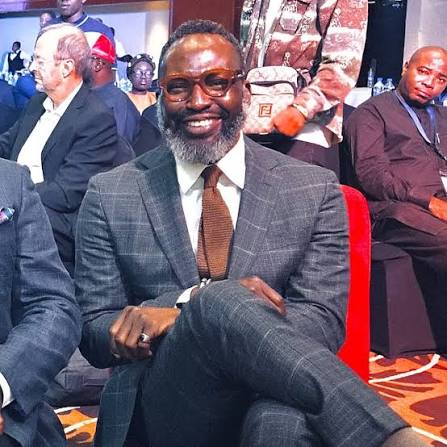
Hosted by the African Export-Import Bank (Afreximbank) in collaboration with the Federal Government of Nigeria, the African Union Commission, and the AfCFTA Secretariat, the four-day trade summit will take place at the newly renovated Wole Soyinka Centre for Cultural & Creative Arts (National Theatre Complex) in Iganmu, Lagos. Led by EFN President Yahaya Maikori, the pavilion will provide a dedicated commercial arena to link African digital creators with high-value financiers, buyers, and intellectual property lawyers inside the CANEX Deal Room.
Capturing a Share of the $180 Billion Gaming Market
This historical deployment positions Africa’s interactive entertainment sector squarely within a $3.4 trillion single trade market. Globally, the gaming industry has grown to be worth over $180 billion—eclipsing the global box office and music sectors combined—and services a global base of 3.3 billion users.
Within this framework, Nigeria serves as a primary regional market. The country drives an estimated 46 million gaming enthusiasts and is on pace to become one of the densest digital consumer populations in the world by 2027. By embedding esports in Nigeria alongside standard creative sectors like music, film, and fashion at CANEX, organizers aim to expand the reach of a continental creative economy. To support this growth, Afreximbank has already scaled its active financing commitment to $2 billion for the 2024–2027 cycle.
Overcoming Intellectual Property and Digital Trade Barriers
This initiative directly addresses a highly restrictive non-tariff barrier: the severe lack of formalized intellectual property (IP) protection, localized payment gateways, and pan-African distribution structures for regional software developers. Historically, African-made games struggled to achieve profitability. Developers faced fragmented digital marketplaces, high cross-border transactional friction, and zero institutional visibility.
As a result, they were forced to rely on restrictive Western or Asian digital storefronts that take heavy commission cuts. This operational barrier persisted because regional trade frameworks traditionally categorized cultural commerce purely through physical goods. Consequently, this left software creators exposed to unchecked piracy and cut off from local venture capital.
Conversely, the establishment of the AfCFTA Esports & Gaming Pavilion converts this digital friction into an active commercial opportunity under the AfCFTA Protocol on Digital Trade. To exploit this opportunity, regional studios and pro-players must utilize the pavilion to acquire certified regional trade status. Building direct relationships with institutional buyers is essential.
The real opportunity for the West African sub-region relies on this space acting as a commercial launchpad. It enables local developers to distribute localized game titles tariff-free across all 50 integrating states, ensuring that consumer monetization stays within the African tech ecosystem.
Aligning Policy with the African Union Digital Strategy
The activation aligns with the AfCFTA Protocol on Intellectual Property Rights and matches the technological directives of the African Union’s Digital Transformation Strategy for Africa. By using a national governing body like the EFN—inaugurated in March 2025 at the Moshood Abiola National Stadium—to supervise the pavilion, the state successfully bridges a vital enforcement gap. This connection links theoretical cultural policy with practical digital export growth. For a deeper look at continental frameworks, you can read more about the African Union’s Digital Transformation Strategy and its tech-driven targets.
However, significant regulatory gaps remain visible between national ministries. While the AfCFTA framework seeks to create a seamless digital economy, cross-border esports tournaments and digital software sales remain throttled by varying telecommunications data laws, high international bandwidth costs, and disconnected national cyber-safety frameworks across regional blocs.
To make this trade corridor fully operational, the Federal Ministry of Communications, Innovation and Digital Economy must work with regional regulators. Together, they must establish shared rules for digital cross-border data flows, making it easier for tech-enabled youth to monetize creative assets safely across borders.
Bridging the Gap for Formal and Informal Tech Actors
For formal corporate actors—including registered software studios, corporate esports leagues, and venture-backed tech hubs—the CANEX Deal Room offers immediate access to structured financing and legal frameworks to scale operations safely. In contrast, informal actors face severe structural hurdles to entry.
Independent casual gamers, unregistered street-level tournament organizers, and self-taught graphic assets creators rarely hold the formal corporate banking references, copyrighted brand registrations, or tax compliance certificates required to pitch projects to institutional investors.
Unless the EFN uses its upcoming national outreach campaigns to guide these informal creative clusters into registered cooperatives, the primary wave of Afreximbank funding will be captured almost entirely by established tech firms. Check out our internal guide on navigating creative industry formalization in West Africa to learn how grassroots creators can transition their setups.
Ultimately, integrating a dedicated esports pavilion into CANEX WKND 2026 marks a bold transition. It moves gaming from a simple youth pastime to executing it as a strategic digital trade asset. The ultimate metric of success for the Lagos summit will depend on whether participating developers leave the Wole Soyinka Centre with signed, bankable distribution deals or simply high tournament scoreboards.