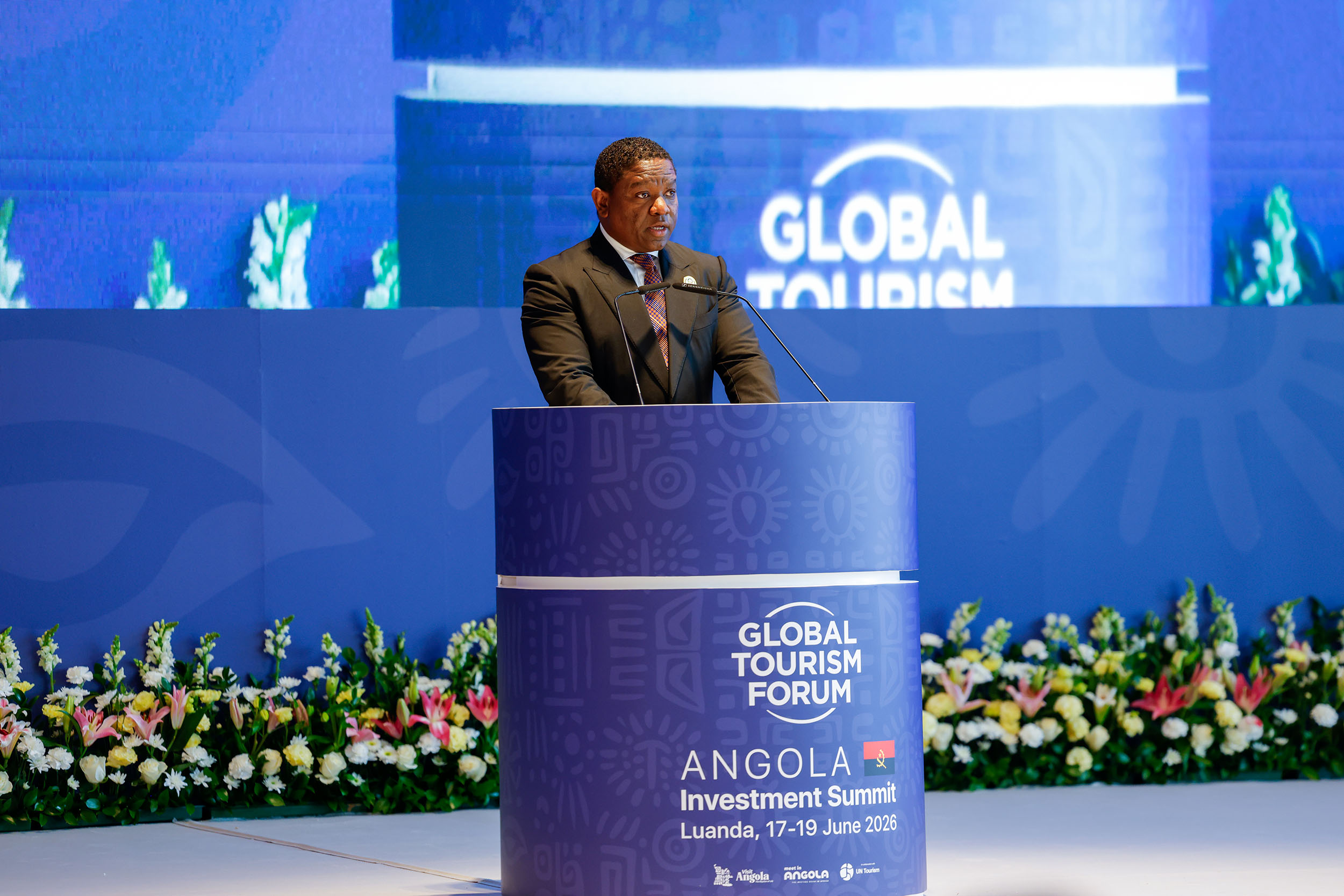
The Global Tourism Forum Angola tourism investment summit took place in Luanda from June 17 to 19, 2026. This historic gathering brought together nearly 1,500 delegates, including UN Tourism Secretary-General-designate Shaikha Al Nuwais and Angolan President João Lourenço. During the proceedings, officials signed 11 Memorandums of Understanding covering foreign direct investment, destination development, and hospitality expansion. Concurrently, UN Tourism and the Angolan government officially launched the “Tourism Doing Business – Investing in Angola” guide. This is a strategic framework designed to help international investors navigate the local market.
Backing the Luanda Blueprint: European Aviation and Global Hotel Chains
Alongside the landmark Angola tourism investment summit, President Lourenço approved a €449 million public investment package aimed at expanding integrated tourism infrastructure. The funds, financed through external support from the Mitsubishi UFJ Financial Group, will target access roads, water systems, and power grids in the Cabo Ledo tourism site. It will also develop coastal corridors, including Moçâmedes and Quicombo Bay. Additionally, Angola’s Tourism Minister Márcio Daniel met with Hilton’s Middle East and Africa President, Guy Hutchinson. They discussed the strategic expansion of the hotel group’s portfolio within the country.
The UN Tourism Barometer ranked Angola as the top tourism growth destination in Africa, and fourth globally, in 2025. International arrivals surged by 30% to approximately 223,000 visitors. This post-pandemic rebound is heavily supported by historic financial inflows. According to the World Travel & Tourism Council, foreign direct investment in Angola’s tourism sector is projected to reach an unprecedented $3 billion in 2025. This marks the first time in nearly a decade that investment inflows are expected to exceed dividend repatriations.
Shifting from Oil: The Economic Targets of PLANATUR
Despite these record figures, tourism currently contributes only 1.6% to Angola’s gross domestic product (GDP). This falls significantly below the African average. The Angolan government has set an ambitious target to double this contribution to over 3% by the end of 2027. To achieve this, the National Tourism Development Plan (PLANATUR) has mobilized over €8 billion. This money will scale up the sector’s economic footprint and shift the country’s reliance away from oil. This long-term pivot was a central theme throughout the latest Angola tourism investment summit.
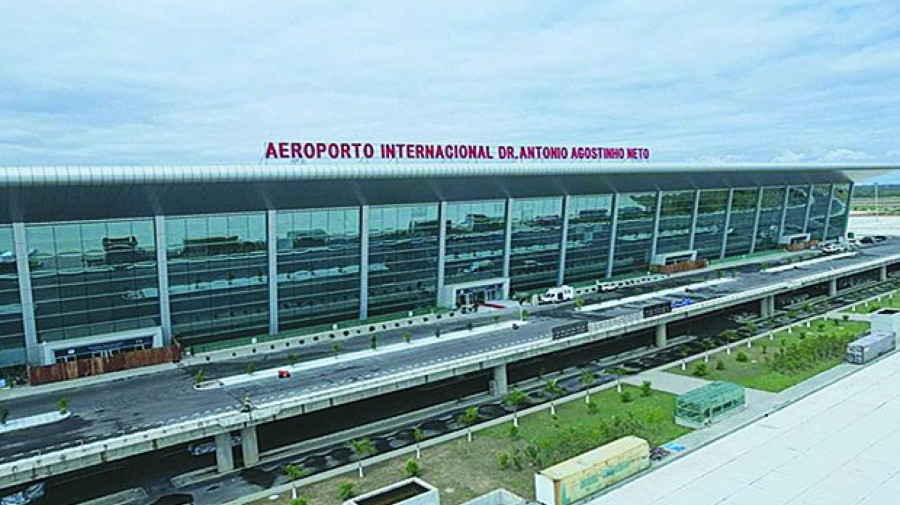
Angola’s growth is heavily dependent on a drastic reduction in access barriers. Most notably, its policy grants visa-free entry to citizens from over 90 countries. On the aviation front, the launch of the Dr. António Agostinho Neto International Airport and the Luanda Ministerial Statement are designed to improve air routes and lower costs across the continent. Furthermore, TAAG Angola Airlines secured European Union Aviation Safety Agency approval to operate its Boeing 787-9 Dreamliner across Europe. This expands direct access to key international markets.
Addressing the Infrastructure Execution Gap for Private Capital
These investments align firmly with Angola’s national economic diversification strategy and the African Union’s Agenda 2063 vision for integrated economies. The introduction of a progressive Private Investment Law, which guarantees 100% foreign ownership and unrestricted repatriation of profits, signals a major structural shift toward market liberalization. This state-led de-risking strategy heavily reflects UN Tourism’s frameworks for bridging Africa’s investment gap.
However, an execution gap remains a significant risk for stakeholders navigating the transition from signed memorandums to operational realities. Despite growing investor enthusiasm at the Angola tourism investment summit, historical deficits in basic utilities have chronically delayed project delivery across the country. Until the newly approved €449 million package actually translates into functional power grids and paved roads, private developers face substantial operational uncertainties. These delays could slow down the delivery of promised hotel rooms and resort facilities.
If these foundational infrastructure hurdles are cleared, the localized impact on small and medium-sized enterprises (SMEs) and rural communities could be transformative. Tourism officials emphasize a multiplier effect. The development of integrated resorts and ecotourism projects in areas like the Okavango Basin stimulates secondary job creation in agriculture, construction, and handicrafts. This ensures that local populations are active economic participants in conservation and hospitality, rather than mere bystanders.