When Ugandan products move seamlessly into Kenyan markets without arbitrary border delays, or when joint pipelines keep regional lights on, East African integration ceases to be a diplomatic concept and becomes a shared livelihood. Yet, the daily reality for the region’s 300 million citizens remains caught between the promise of a borderless market and the stubborn persistence of national self-interest.
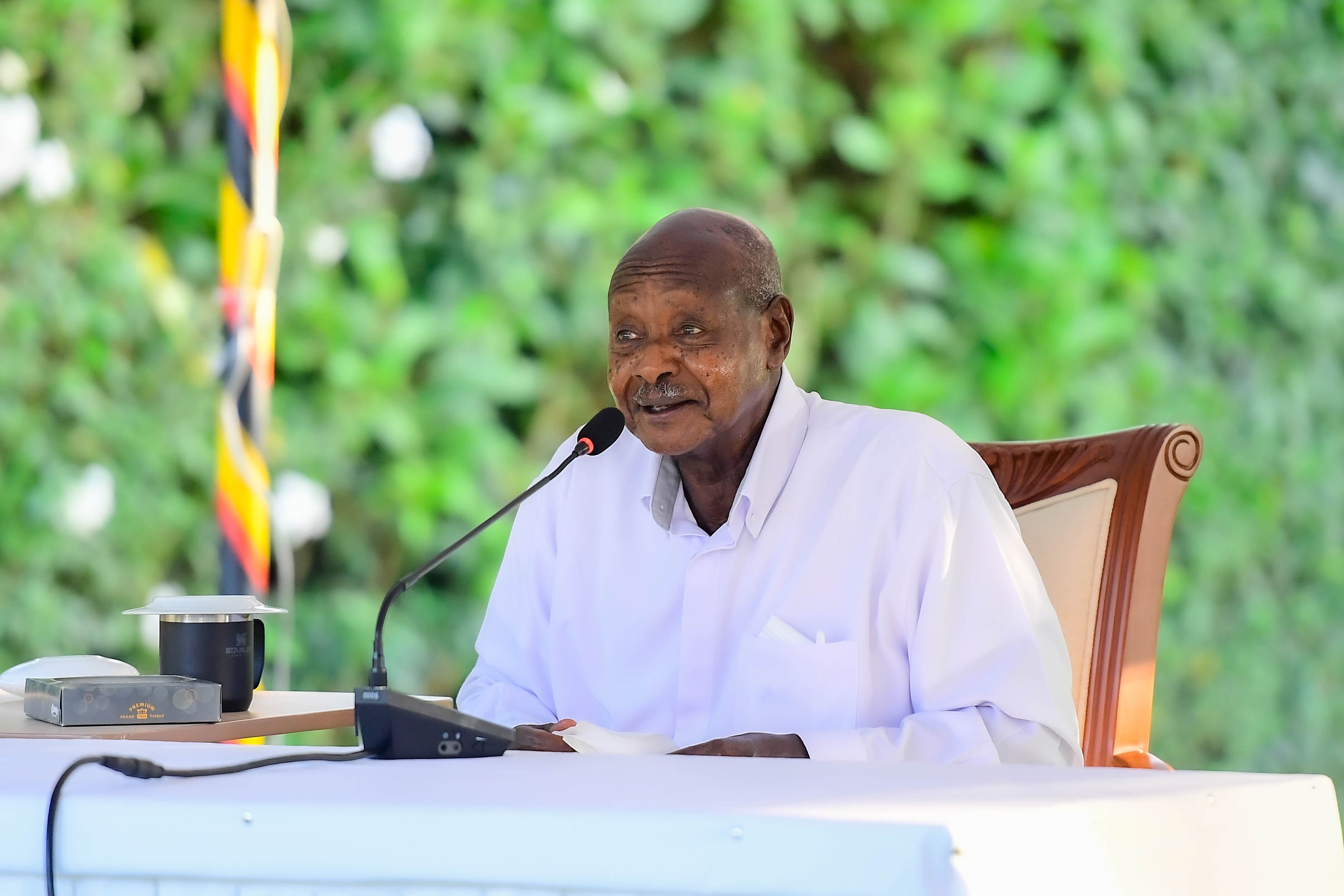
This balance took a decisive turn at the EAC Heads of State Summit in Arusha on March 7, 2026. Uganda’s President Yoweri Museveni assumed the rotational Chairmanship of the Summit, taking over from Kenya’s President William Ruto. Concurrently, the Summit appointed Tanzania’s Ambassador Stephen Patrick Mbundi as the new Secretary-General, signaling a transition during a period of mounting regional pressure.
Economic Growth Versus Fragmented Markets
East Africa enters this era with strong economic growth, with regional GDP expansion projected at 5.2 percent in 2026, significantly outperforming the Sub-Saharan African average of 4.3 percent. However, intra-regional trade represents only 15 percent of the bloc’s total trade, valued at $4.8 billion in the third quarter of 2025. In contrast, the bloc’s trade with the rest of Africa stood at $10.1 billion (32.2 percent), indicating that businesses continue to bypass their immediate neighbors due to persistent regional disputes and policy barriers.
This landscape creates a major opportunity for infrastructure-led integration to solve pressing regional trade problems. On August 6, 2026, Uganda and Tanzania signed a landmark memorandum of understanding to jointly develop the Tanga Regional Energy Hub. Witnessed by Presidents Museveni and Samia Suluhu Hassan, this deal is projected to attract over $20 billion in total integrated energy infrastructure investments, alongside Uganda National Oil Company’s (UNOC) strategic 20.15 percent acquisition in the Kenya Pipeline Company.
Funding Shortfalls and Policy Friction
To translate these massive deals into real prosperity, the region must overcome severe financial constraints. Integrating transport and energy systems—such as Museveni’s proposal to rationalize regional rail for heavy freight—requires harmonized fiscal backing. However, this opportunity is affected by the EAC’s $89 million deficit in member state contributions, which severely weakens the Secretariat’s capacity to enforce treaties and manage borders.
This institutional fragility highlights a gap in alignment with continental frameworks like the African Continental Free Trade Area (AfCFTA). While the regional budget theme for FY 2026/27 emphasizes economic resilience, member states continue to violate the EAC Customs Union Protocol through discriminatory excise duties and country-specific tax exemptions. Furthermore, uneven progress toward the 2031 single currency deadline has prompted SG Mbundi to propose a pragmatic, phased monetary union starting with three or four ready nations, rather than waiting for all eight members.
Impact of Non-Tariff Barriers on Local Traders
While large state-backed energy entities navigate these partnerships successfully, small-scale entrepreneurs and cross-border women traders bear the brunt of non-tariff barriers, which cost the region over $10 billion annually. Bureaucratic delays, arbitrary standards, and sudden border closures disrupt immediate livelihoods, choking inclusive regional growth.
President Museveni’s tenure as EAC Chair offers a strategic window to align political will with economic reality. For the integration drive to gain genuine momentum, the EAC must move past symbolic handovers and hold member states strictly accountable. East Africa cannot afford a “half-cooked” integration; its citizens deserve a unified, resilient economy. To explore deeper trends in African commerce, read our regional market profiles or review the official updates on the EAC Secretariat Portal.