
The release of the Henley 2026 Passport Index offers a stark reminder of regional travel barriers. Based on global data, the index measures the travel freedom of 199 passports. Specifically, the current rankings highlight a massive intra-African mobility gap across the continent. Seychelles and Mauritius firmly hold Africa’s most powerful passports. Their citizens move across global borders with relative ease. However, the continent’s largest economic powerhouses tell a vastly different story.
The Divide Between Openness and Protectionism
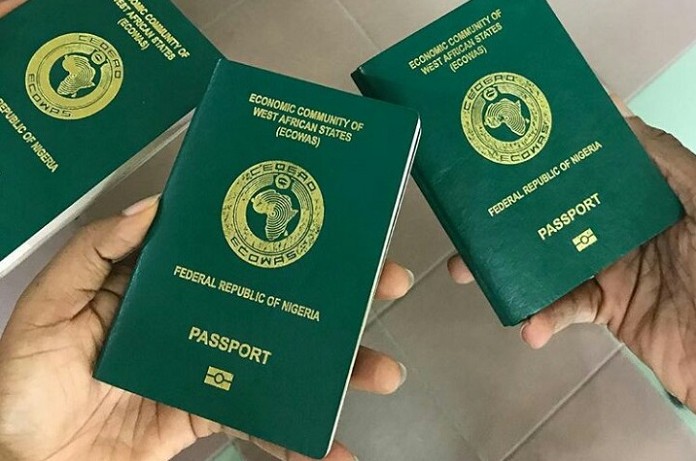
South Africa sits at 49th globally, while Nigeria lags far behind at 90th place. Nigerian citizens enjoy visa-free access to a meager 44 destinations. At Walk For Love Africa, we believe these mobility gaps reveal a deep paradox. While political leaders champion the economic promises of the AfCFTA, national border policies continue to restrict travel.
This sharp disparity highlights how national policy choices shape passport power. For instance, island nations are deliberately integrated into the global economy through tourism and liberal travel regimes. Conversely, Africa’s largest continental economies have historically favored security-centric, protectionist border policies. Therefore, countries that restrict entry to foreign nationals rarely receive reciprocal visa-free privileges from international partners.
High Economic Costs of Border Friction
The most damaging consequence of restricted mobility is the difficulty of traveling within Africa itself. According to official data, Africans still require a pre-departure visa to visit nearly half of all other African countries. Consequently, the widening intra-African mobility gap directly sabotages regional trade.
The AfCFTA aims to unite 55 nations into a single $3.4 trillion market. But trade cannot move seamlessly if traders and engineers cannot move. When an entrepreneur must complete weeks of paperwork and pay expensive embassy fees to travel, cross-border commerce slows. Furthermore, strict entry rules stifle tourism revenue and reduce passenger spending for local small businesses.
Breaking the Diplomatic Stalemate
A primary bottleneck in regional diplomacy is the stubborn insistence on strict reciprocity. This means Country A refuses to grant access until Country B offers the same privilege. Nevertheless, forward-thinking nations are proving that unilateral openness yields immediate national dividends.
For example, Rwanda, Kenya, Benin, and The Gambia have made bold strides by enacting visa-free entry policies for all African passport holders. Their experience shows that opening borders does not compromise national security when backed by modern digital identity systems.
In conclusion, a strong passport is the natural byproduct of collaborative national governance. To finish this integration, governments must ratify the AU Protocol on Free Movement of Persons. They must invest in interoperable digital border infrastructure to bridge the intra-African mobility gap. For more updates on travel rules, check our guide on East African market challenges.