

Passengers and cargo operators flying into Harare may soon experience cheaper fares as the burden of statutory levies begins to ease. Before institutions issue their formal declarations, it is the traveler and the African trader who feel the squeeze of uncompetitive pricing. This critical issue has historically diverted vital traffic to neighboring hubs like South Africa and Zambia. To correct this distortion, the rollout of aggressive Zimbabwe aviation tax reforms aims to balance fiscal revenue with continental aviation competitiveness. Transport and Infrastructural Development Minister Felix Mhona announced that the state is actively working to lower non-fuel costs.
Furthermore, this policy shift directly targets a persistent barrier involving prohibitive cost structures. Industry executives have long argued that passenger taxes, airport charges, and statutory levies artificially inflate ticket prices. This burden renders Zimbabwe less competitive for both international tourism and cargo movement. High operational costs shrink profit margins, which for African airlines sat at a modest 1.6% in 2025. This structural reality deters foreign carriers from sustaining direct routes. Therefore, enacting Zimbabwe aviation tax reforms provides immediate financial relief to airspace operators.
Resolving the 9.8 Percent Squeeze on African Carriers
African aviation is growing but remains structurally expensive. According to the IATA Annual Review 2026, African airlines saw a 9.8% growth in passenger demand in 2025. Yet, the continent’s carriers face the highest unit costs globally, which sit at almost double the industry average. Zimbabwe handled 2.53 million passengers last year, marking a 10% increase. However, high non-fuel costs and taxes continue to restrict deeper connectivity compared to other global markets. The introduction of targeted Zimbabwe aviation tax reforms will directly lower the cost of entry, maximizing recent heavy investments in Zimbabwe’s three major international airports.
For cross-border trade, reduced tariffs and improved customs efficiency will make supply chains more resilient. This lowers the cost of exporting goods and improves real usability for traders. However, uncertainties remain regarding how swiftly these tax adjustments will be enacted. This development aligns closely with the Single African Air Transport Market (SAATM) and the Yamoussoukro Decision frameworks. These systems are explicitly designed to liberalize African skies and stimulate competition.
Airspace Liberalization vs. Domestic Fiscal Friction
Zimbabwe’s ICAN 2025 agreements signal a strong intent to harmonize with continental goals, fostering an environment where intra-African trade can thrive. At the ICAO Air Services Negotiation Event in late 2025, Zimbabwe signed four memoranda of understanding and three bilateral agreements to liberalize airspace and increase route capacity. To review the original cross-border aviation treaties, visit the official International Civil Aviation Organization Treaty Database.
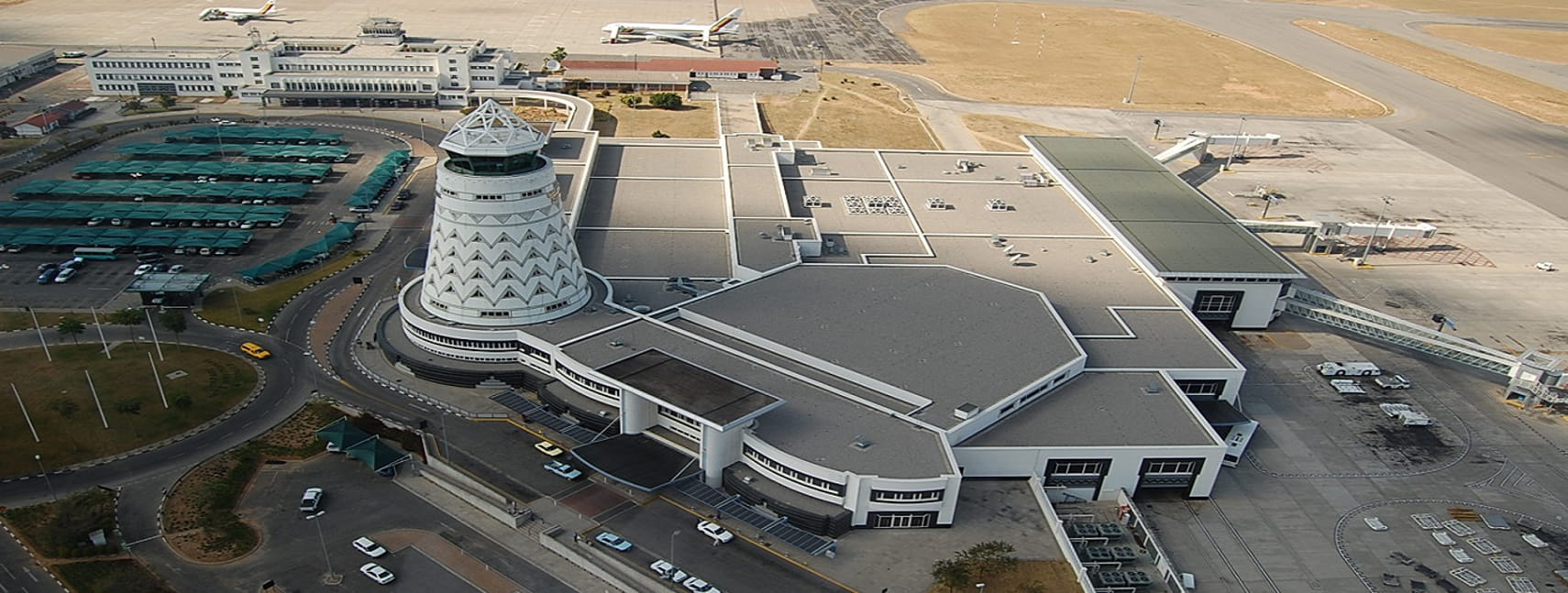
However, policy alignment faces intense domestic friction. The local tourism sector is simultaneously lobbying against a newly introduced 15.5% VAT on tourism activities slated for 2026. This layout exposes a critical gap between aviation liberalization and broader national fiscal policies. For registered airlines and established logistics firms, lower taxes mean clearer paths to profitability and volume scaling. Yet, cross-border traders who rely on affordable passenger flights to move small-scale goods stand to gain the most immediate relief. High ticket prices have historically marginalized these small traders, limiting their ability to expand into regional markets.
Unblocking $65 Million to Attract Modern Trade Finance
From a financing perspective, aviation tax adjustments must be viewed alongside the region’s trade finance gap. African airlines currently grapple with restricted access to foreign currency. Zimbabwe alone holds $65 million in blocked airline funds as of early 2026. Financial institutions play a crucial role in bridging this gap. However, unblocking funds and lowering operational taxes are prerequisites for attracting the trade finance necessary to modernize fleets. To check the latest industry-wide tracking metrics for blocked funds across sub-Saharan air networks, visit the International Air Transport Association Press Room.
Ultimately, Zimbabwe’s commitment to re-evaluating its aviation taxes is a progressive step toward reclaiming its status as a regional hub. While execution risks and fiscal contradictions remain, aligning tax regimes with pan-African open skies initiatives presents a clear pathway to unlocking the continent’s interconnected economic potential. Passing the upcoming Zimbabwe aviation tax reforms will prove whether political declarations can finally translate into lower ticketing baselines for the private sector.


