
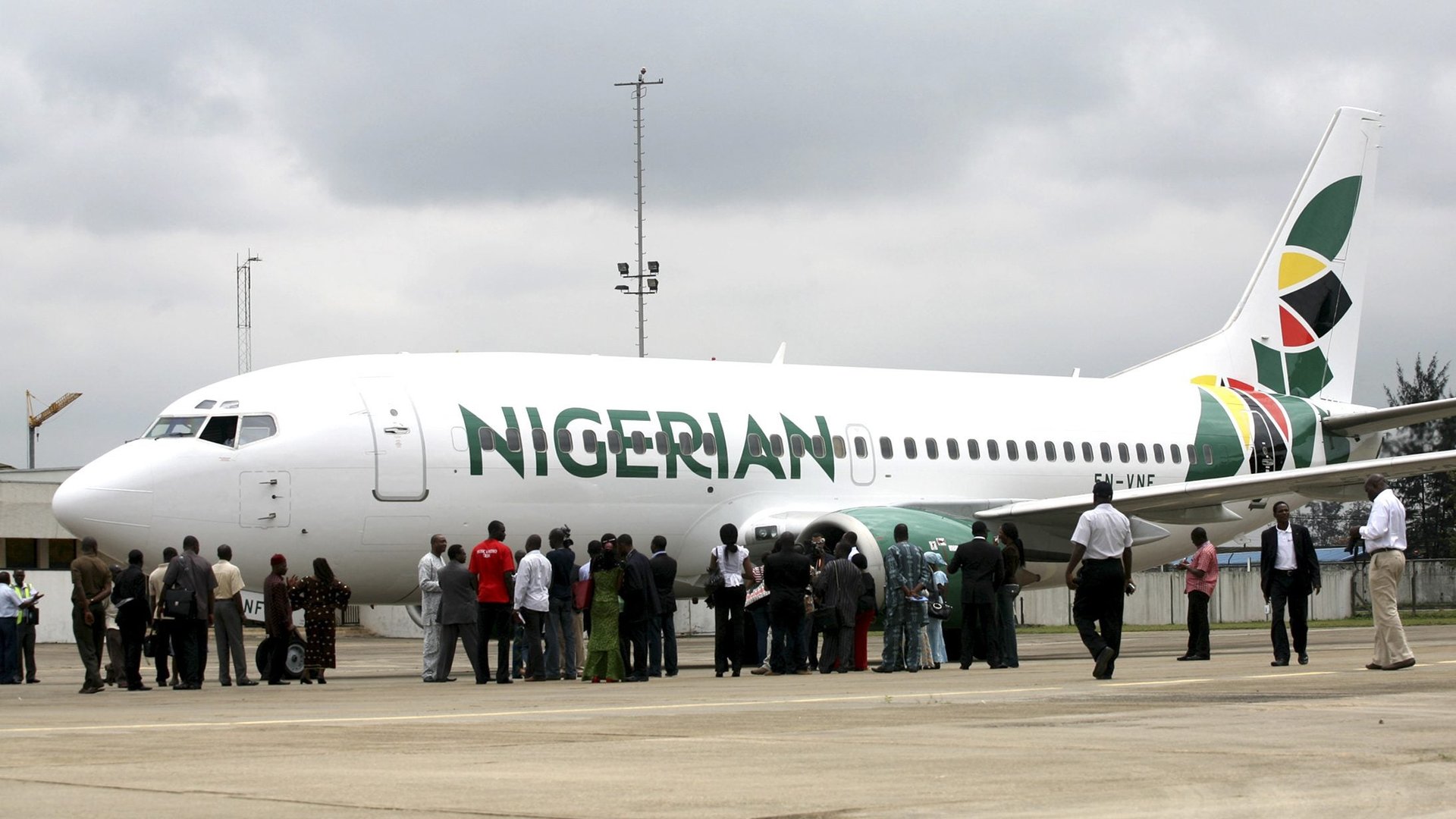
At the end of 2024, West African leaders made a commitment that could have transformed air travel across the region. Sixteen months later, that commitment is gathering dust, and the consequences are now landing on Nigeria’s doorstep in the most direct way possible.
The Airline Operators of Nigeria issued a formal notice on April 14, 2026, warning that every domestic airline in the country may suspend operations from Monday, April 20, if the price of aviation fuel is not brought under control. It is a crisis that did not arrive without warning. And it cannot be separated from the wider failure of West Africa to deliver on its own promises.
The Promise That Was Made
When ECOWAS heads of state gathered in Abuja in December 2024 for their 66th Ordinary Session, aviation reform was on the agenda in a serious way. Chaired by Nigeria’s President Bola Tinubu, the summit produced a landmark resolution, member states would cut key air transport charges by 25% and eliminate four categories of taxes that had long pushed ticket prices to some of the highest levels in the world.
The four taxes marked for full elimination were the ticket sales tax, tourism tax, solidarity tax, and foreign travel tax. Passenger service charges and security fees were to be reduced by 25%. The implementation date was set for January 1, 2026. Governments projected that fares could fall by as much as 40%, with tourism potentially rising between 20 and 30% as a result.
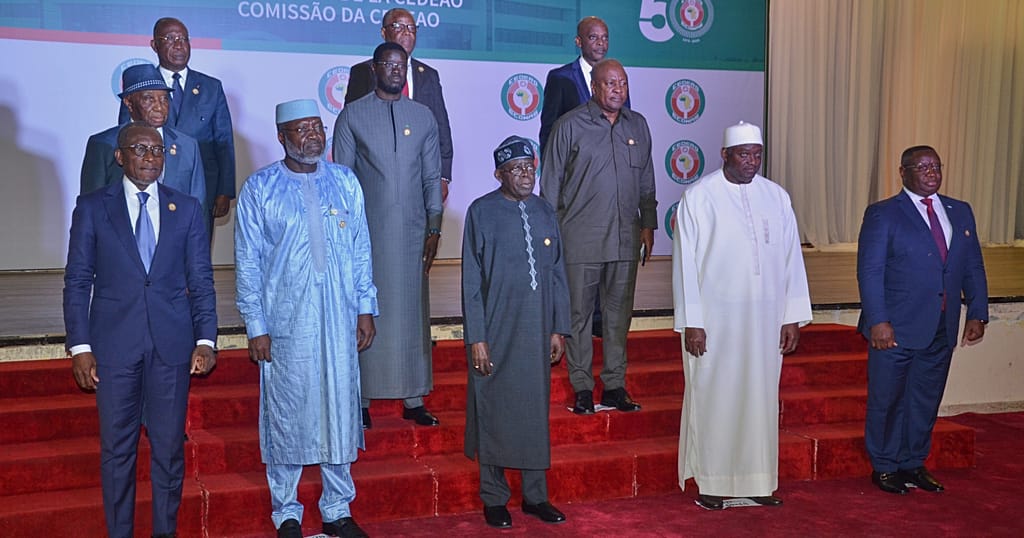
Six presidents signed the resolution: Adama Barrow of The Gambia, Nana Akufo-Addo of Ghana, Joseph Boakai of Liberia, Bola Tinubu of Nigeria, Julius Bio of Sierra Leone, and Bassirou Faye of Senegal. The other nine member states were also party to the agreement.
More than three months after the January 1, 2026 implementation deadline, the policy has yet to practically take off. Across the 15 ECOWAS member states, there has been little to no compliance with the directive. Instead, the region continues to grapple with high taxes, rising airfares and a widening gap between policy declarations and practical realities.
The numbers behind the status quo are stark. On average, passengers in West Africa pay over $120 in taxes per ticket, one of the highest rates in the world. In Sierra Leone, total taxes and charges per passenger can reach $294. Nigeria follows at around $180. Guinea-Bissau records about $137. Aviation analyst Samuel Caulcrick noted that taxes and charges account for between 64 and 70% of ticket prices across the region.
Air travel within West Africa has long been absurd, geographically short routes often cost more than intercontinental journeys. A 45-minute flight from Lagos to Accra or Dakar can cost as much as, or even exceed, the cost of flying to Europe or the Middle East.
And despite a regional commitment signed less than 18 months ago, some ECOWAS member states have actually introduced new charges in 2026, moving in the opposite direction from what was agreed.
Meanwhile in Nigeria, a separate but directly connected crisis has emerged. The price of Jet A1 aviation fuel in Nigeria surged from ₦900 per litre at the end of February 2026 to ₦3,300 per litre by mid-April, a rise of over 300% in under seven weeks.
The Airline Operators of Nigeria described the spike as “astronomical and artificial,” noting that it is inconsistent with global crude oil price benchmarks, which recorded only about a 30% increase over the same period. Fuel already accounts for more than 40% of airline operating costs in Nigeria. At current prices, it has become the single largest item, and revenues can no longer cover it.
The AON revealed that one airline has already grounded all operations since March 13, 2026, due to the fuel crisis. In its April 14 notice, the group warned that if prices are not adjusted, all domestic airlines will suspend operations effective April 20, 2026, describing this as their final appeal.
The letter was copied to President Tinubu, Vice President Kashim Shettima, the Minister of Aviation Festus Keyamo, the Nigeria Civil Aviation Authority, and the Department of State Services.
The AON set out the impossible position operators now face: raise ticket prices to reflect fuel costs and fly near-empty planes, or stop flying altogether. Either outcome hits passengers, disrupts livelihoods, and weakens the aviation sector at a moment when it needs to be strengthening.
Fuel marketers through MEMAN disputed the figures cited by airlines, with the Executive Secretary stating he was unaware of the prices being quoted and attributing the rise partly to geopolitical tensions in the Middle East. The marketers denied any deliberate inflation of prices.
Taken together, these two stories point at the same structural failure. West Africa’s aviation sector is being squeezed from both sides by governments that talk about reform and deliver little, and by market conditions that make operations increasingly unviable for the carriers doing the work.
The International Air Transport Association has projected that African airlines will remain marginally profitable in 2026 even with a 6 per cent increase in passenger traffic, with the region operating at an average net margin of around negative one per cent. That is the baseline, before a 300 per cent fuel price spike.
The ECOWAS resolution, if implemented, would not solve Nigeria’s jet fuel crisis overnight. But it would be a signal that governments in the region are serious about aviation as an economic tool rather than a revenue extraction mechanism. That signal has not arrived.
What has arrived is a deadline: April 20, 2026. If fuel prices are not addressed before then, Nigerian skies could go quiet and the region that promised affordable air travel to its citizens will have delivered the opposite.