
East Africa’s ambitions to leverage the 2027 Africa Cup of Nations for multi-destination tourism gains risk being bottlenecked by lingering policy execution gaps. Specifically, administrative delays across border control systems threaten to stall cross-border mobility.
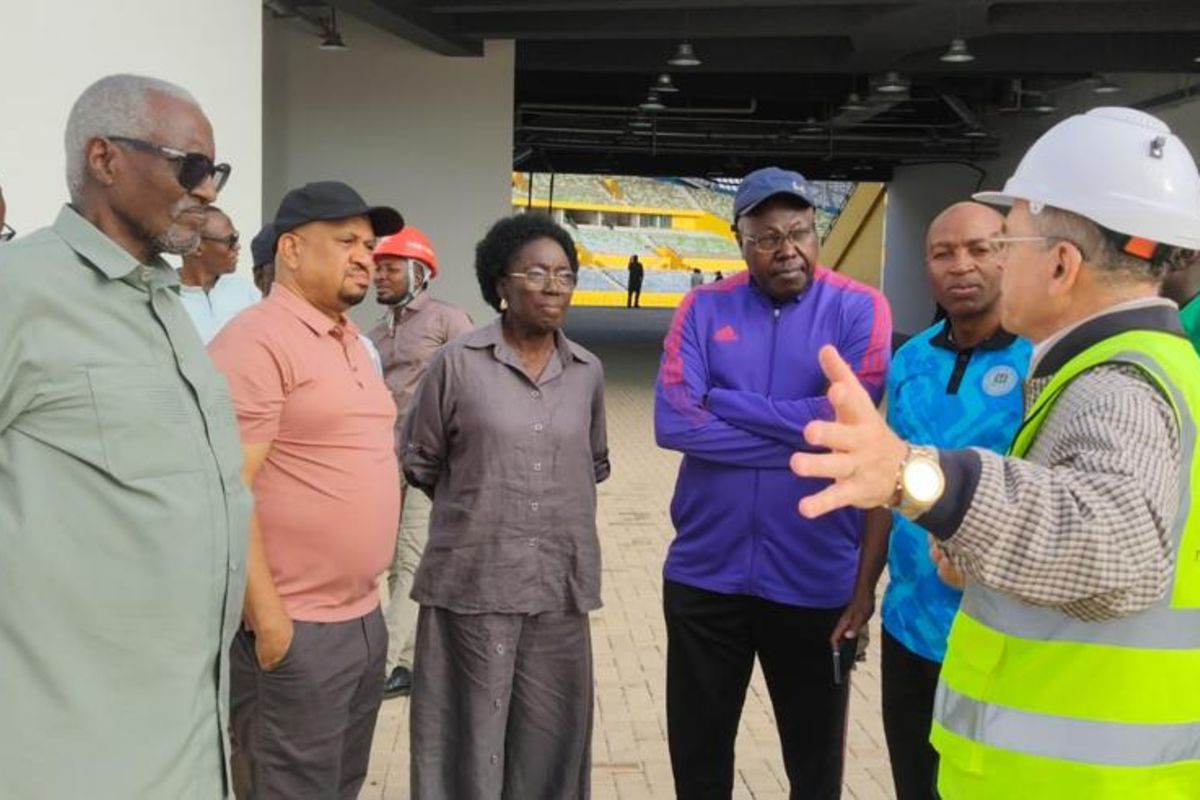
Following inspections at the Pamoja AFCON Stadium in Arusha, Tanzania, Rebecca Kadaga confirmed that Kenya, Uganda, and Tanzania are advancing a joint travel framework. As the Chairperson of the East African Community (EAC) Council of Ministers and Uganda’s First Deputy Prime Minister, she noted the tournament is scheduled for June 19 to July 17, 2027. While supported by Ugandan President Yoweri Museveni and endorsed by CAF leadership, the proposal addresses a structural oversight. Currently, the active East African tourist visa covers Kenya, Uganda, and Rwanda, but completely excludes Tanzania. Tanzanian EALA member Abdullah Makame emphasized that converting high-level political goodwill into economic returns requires clear operational rules, fee harmonization, and standardized border clearance protocols.
Importantly, the co-hosted tournament is projected to draw over 500,000 international visitors and supporters across the three host nations. Under proposed arrangements, ticket-holding fans linked with a digital Fan ID could receive visa waivers or expedited entries valid for multi-country travel. This setup would cover a multi-month window including pre- and post-tournament stay periods. Conversely, current non-unified entries impose individual fees—$50 for Tanzania e-visas, $50 for Uganda e-visas, and $30 for Kenya eTAs. These stacked costs, alongside redundant border clearance steps, heavily inflate overall travel costs for cross-border supporters.
Tearing Down Regional Border Friction and Stacked Entry Fees
This initiative directly targets a critical structural barrier: regional border friction and fragmented entry policies. Forcing visiting supporters to navigate three separate visa applications, pay stacked entry fees, and endure redundant border checks discourages fan mobility between match venues. Consequently, foreign tourist expenditure remains tightly confined to primary host cities rather than distributing across the broader East African tourism ecosystem.
Therefore, establishing a unified tournament framework represents an immediate economic opportunity. Streamlining border entry allows hospitality operators, transport providers, national parks, and local cultural vendors across Kenya, Uganda, and Tanzania to capture secondary tourist spend. Lowering cross-border friction encourages international supporters to extend their stays, turning single-match visits into multi-country safari and beach itineraries.
Activating the EAC Common Market and AfCFTA Protocols
The proposed Pamoja visa framework directly aligns with the EAC Protocol on the Establishment of the Common Market. It also advances the AU Protocol on Free Movement of Persons and the African Continental Free Trade Area (AfCFTA) Trade in Services Protocol, which prioritize seamless mobility to stimulate regional service trade.
However, significant execution gaps persist between regional policy declarations and frontline border readiness. Participating governments have yet to finalize standardized biometric data-sharing agreements or agree on visa fee revenue-sharing models. Furthermore, they must urgently upgrade digital immigration networks across shared land borders and regional hubs like Entebbe, Jomo Kenyatta International, and Kilimanjaro International Airport.
For formal hospitality chains, an optimized East African tourist visa approach drives higher occupancy, simplifies tour packaging, and optimizes inter-regional flight routes. Meanwhile, for informal souvenir vendors, local transport operators, and community tour guides, removing border barriers facilitates a broader influx of international tourists.
In conclusion, the proposed joint visa scheme for AFCON 2027 presents a high-stakes test of the East African Community’s ability to operationalize regional integration. With the tournament fast approaching, host governments must move beyond political declarations. Moving forward, they must establish interoperable immigration systems, clear entry guidelines, and synchronized border procedures that convert football fandom into lasting regional tourism growth.


