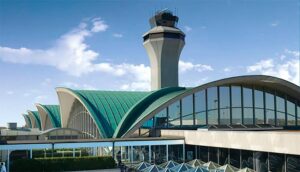
A dramatic 39% surge in passenger volume over three years has put immense pressure on facilities at Accra International Airport. The practical consequence of this growth is now unfolding on the tarmac. Specifically, long queues are set to be replaced by construction crews. This physical transformation aims to position Ghana at the forefront of the West African aviation market. On Thursday, August 27, 2026, President John Dramani Mahama broke ground on a new phase of expansion. The facility features a seven-story multi-purpose car park, an airport hotel, and a business complex with a hospital.
Self-Funded Infrastructure and Flight Resumptions
Crucially, the project is financed entirely through the balance sheets of local aviation authorities. Therefore, there is no direct funding from state coffers. This expansion responds to massive traffic growth. The airport handled 2.5 million passengers in 2025, up from 1.8 million in 2022. Furthermore, prominent global carriers like Delta Air Lines resumed flights to the country in late 2025. Air Tanzania also launched its first services to Accra in January 2026.
Within the broader West African aviation market, Accra faces fierce, neck-and-neck competition from expanding hubs in Lomé, Abidjan, Dakar, and Lagos. Consequently, this development represents a major opportunity to lower regional business costs. By integrating transportation, retail, and lodging directly within a single transit area, Ghana establishes the conditions for high-value business tourism. Regional executives could fly in, conduct business, and fly out without leaving the airport security zone.
Overcoming Behind-the-Border Cost Hurdles
But the real regional opportunity depends heavily on whether physical structures are matched by competitive landing fees. Without these regulatory adjustments, the expansion risks becoming an expensive, underutilized asset. However, a recent joint report by the World Bank reveals that intra-African trade accounts for only 15% of exports. Instead, roughly 60% of trade costs are driven by behind-the-border regulatory and logistical barriers.
While redeveloping Terminal 2 to handle domestic and international flights will bring underused space back into service, physical space alone cannot bridge the gap. Nevertheless, this blueprint marks a bold step toward regional leadership. To maximize efficiency, African policymakers must match this physical concrete with the political will to open regional skies.
Impact on Commercial Carriers and Small Businesses
Formal airlines will gain immediate operational benefits from improved ground infrastructure and less gate congestion. On the other hand, small local transport providers and independent vendors face unique challenges. Because major hub developments tend to prioritize multinational retail brands, local micro-enterprises risk exclusion unless explicit space allocations protect them.
In conclusion, the self-funded Accra expansion shows immense institutional maturity. To finish this transformation, aligning local laws with continental open-skies agreements remains essential. For more updates on aviation networks, check our guide on African transport infrastructure.