Passengers, business leaders, and vital cargo now have streamlined access to Southern Africa’s economic corridors. This new alignment seamlessly links regional markets to the globe just in time for the peak summer travel season. To push this growth forward, Spanish distribution specialist Euroairlines and African carrier Fastjet have finalized a commercial agreement. The primary focus of this text explores how this specific deal accelerates the integration of Southern African aviation hubs.
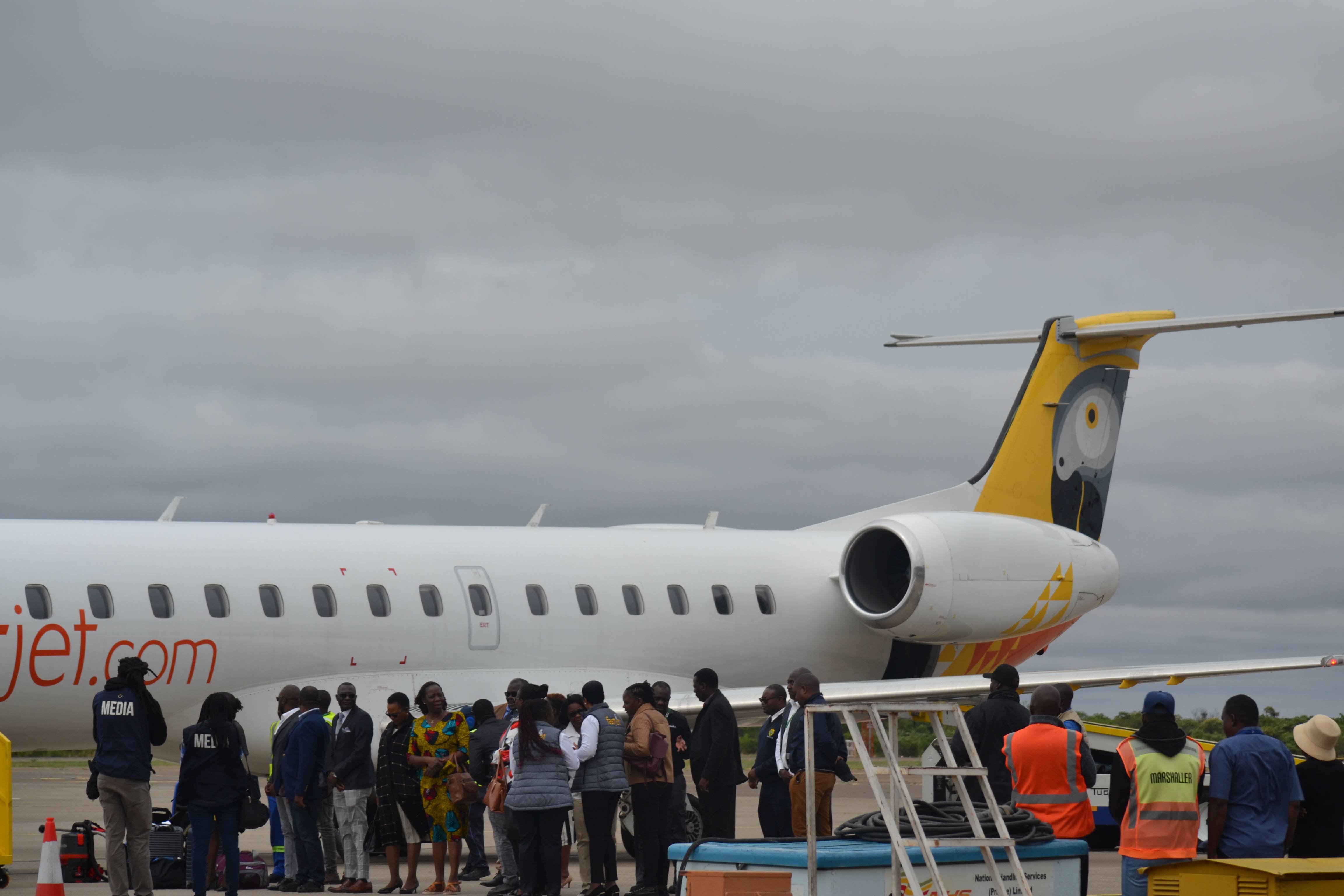
Furthermore, this commercial integration allows travel agencies to distribute Fastjet-operated flights under the FN airline code. This integration utilizes Euroairlines’ IATA Q4 ticketing platform. Consequently, the deal immediately places the Zimbabwean airline into major Global Distribution Systems (GDS) like Amadeus, Sabre, and Travelport. It also inserts the carrier into IATA’s Billing and Settlement Plan (BSP). These operational upgrades primarily connect the critical Southern African aviation hubs of Harare, Victoria Falls, Bulawayo, Johannesburg, and Lusaka
The IATA Q4 Matrix: Placing Zimbabwe’s Airlines on Global Distribution Systems
Concurrently, Fastjet secured a strategic partnership with WorldTicket by GO7 via the W2-365 platform. This smart tech expansion builds up its global ticketing reach without the need for traditional, costly BSP membership. The financial and operational metrics illustrate a rapidly scaling market for African aviation distribution. For instance, Euroairlines closed 2025 with record revenues of €25 million. This quintupled its earnings in just two years. The firm now targets €40 million across 50 new geographic markets in 2026.
Operating since 2015, Fastjet has transported over 1.9 million passengers across major trade networks. It is expanding its fleet with an additional Embraer ERJ145 aircraft to meet growing seasonal demand. Euroairlines now accesses over 250 destinations and 1,000 international routes globally. Meanwhile, GO7’s WorldTicket allows ticket sales in over 190 markets through more than 100,000 IATA-accredited travel agencies. This massive commercial footprint ensures that local Southern African aviation hubs remain connected to global capital.
WorldTicket Integration: Expanding Open Skies Past Traditional Alliances
This development creates a substantial opportunity by dismantling a persistent structural barrier. This roadblock involves the limited visibility and commercial scale of smaller and medium-sized African airlines. Historically, accessing global booking systems required costly membership in major global alliances. This massive entry fee constrained passenger reach and stifled intra-African mobility.

By utilizing interline-style commercial models, regional airlines gain exposure to global travel markets. They achieve this without expanding their fleet size or independently operating long-haul routes. The technology makes air travel access highly usable, affordable, and convenient for international agencies booking African destinations. These distribution agreements embody the Pan-African goal of ensuring open, accessible skies. These targets are closely aligned with ongoing regional policy shifts, such as the Lomé Declaration adopted by African ministers to accelerate the Single African Air Transport Market (SAATM). To track official compliance metrics for regional open skies frameworks, visit the African Civil Aviation Commission Portal.
Economic Velocity and Tourism Multiplication in Key Regional Corridors
This enhanced connectivity deeply impacts economic actors across Southern Africa’s commercial corridors. For formal actors, such as corporate travelers and hotel operators, improved linkages between major hubs like Johannesburg and secondary cities like Bulawayo drive direct investment and business linkages. At the same time, informal actors, including local artisans and cross-border traders, benefit indirectly. These flight networks open new tourism corridors and spur job creation within the broader economic ecosystem.
Platforms like WorldTicket offer automated, risk-free payment settlements. Furthermore, GO7 provides products like W1 Pay and W2 e-Payment to unlock cash and manage regulatory compliance. This allows African carriers to tap into new revenue streams globally without the heavy infrastructure or complex banking requirements usually needed for international expansion. Fastjet’s strategic agreements represent a vital maturation in African aviation. By leveraging specialized distribution technology, regional carriers can overcome historic marginalization, driving the continent’s integration and economic resilience through smarter, more accessible Southern African aviation hubs.