

For a new generation of Moroccan entrepreneurs, the surge in global visitors is a daily reality transforming their livelihoods through grassroots Morocco tourism innovation. From developing eco-friendly accommodations to digitizing local street food experiences, these small business owners in historic medinas and rural oases are navigating the impacts of a booming economy, often outpacing institutional frameworks before international treaties are even ratified.
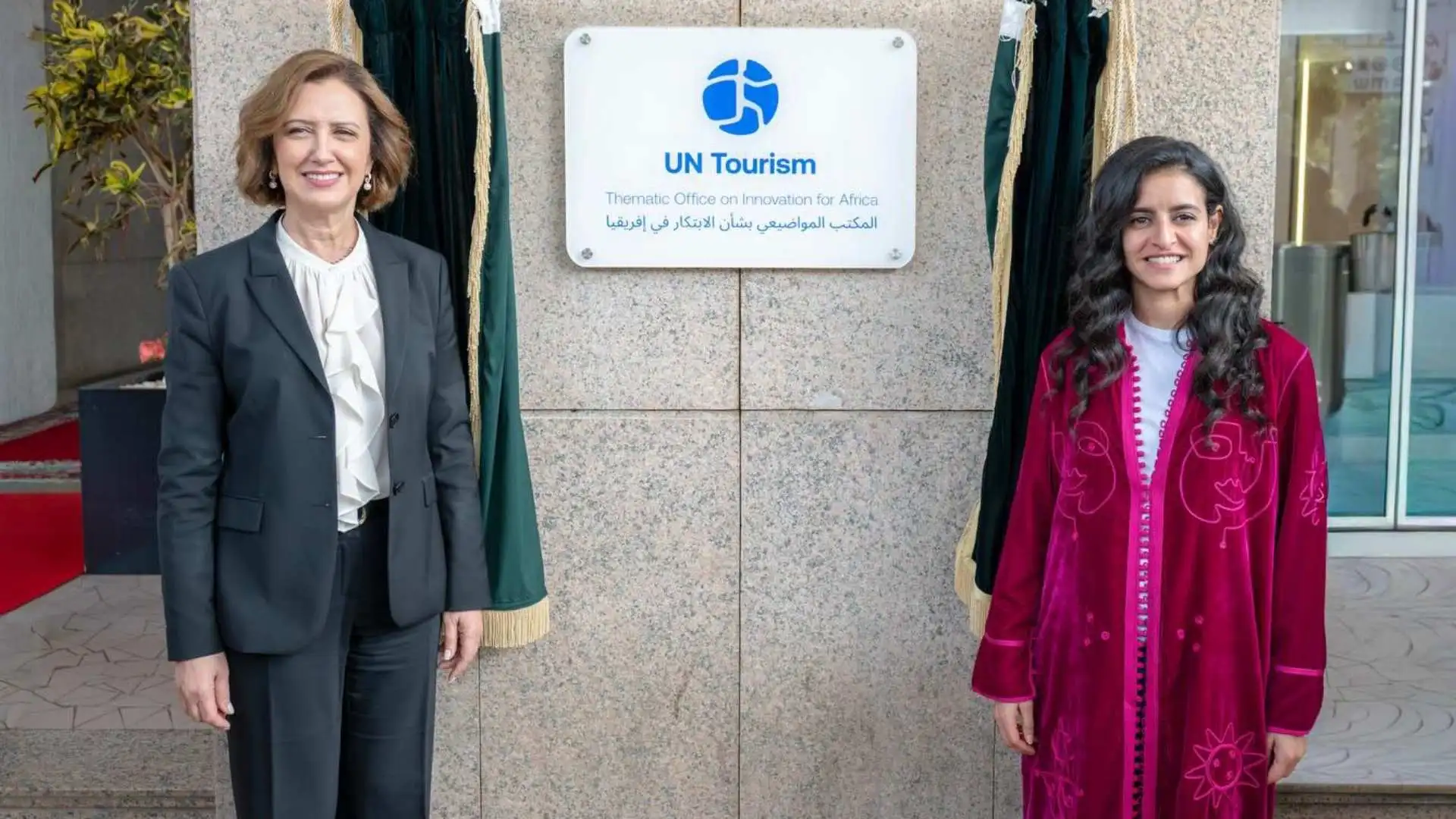
On April 23, 2026, the United Nations Tourism organization officially inaugurated its first thematic office for innovation in Africa, located in the Moroccan capital of Rabat. This development was immediately followed by the second edition of the International Conference on Technological Innovation and Tourism Investment, which opened in Marrakech on April 24, 2026. The Moroccan Agency for Tourism Engineering (SMIT) organized the event in direct partnership with the Ministry of Tourism, Handicrafts and Social and Solidarity Economy, and UN Tourism.
During the Marrakech summit, UN Tourism Secretary-General Shaikha Nasser Al Nowais formally declared Morocco a leading African model in innovative tourism development. This recognition strongly aligns with the country’s broader Morocco Tourism Innovation agenda. The Secretary-General cited political stability, modern infrastructure, and a long-term strategic vision as the foundational pillars of this status. The event also featured the awarding of trophies to startups from a national competition that attracted 275 entries, alongside exhibitions highlighting national ecosystem initiatives in digital technologies, gaming, and gastronomy.
Morocco’s tourism sector has recorded unprecedented expansion, welcoming nearly 20 million international visitors in 2025. This represents a 14 percent growth compared to the 17.4 million arrivals recorded in 2024, decisively confirming the North African nation’s status as the continent’s most visited destination. Economically, the sector’s performance has eclipsed historical benchmarks, with the tourism gross domestic product surging 38.4 percent in 2024 against pre-pandemic 2019 levels. Consequently, the total sector value added progressed 37 percent to stand at 96.4 billion dirhams, strengthening tourism’s overall contribution to the national GDP from 6.8 percent to 7.3 percent.
This accelerated growth trajectory elevated tourism to become Morocco’s leading source of foreign currency by the end of 2025, notably surpassing remittances from Moroccans living abroad. Receptive tourism consumption which includes spending by foreign visitors and the vital diaspora of 6 to 7 million annual Moroccan travelers climbed 46.8 percent to reach 136.9 billion dirhams in 2024. Furthermore, under the national tourism roadmap, 43,000 additional accommodation beds have been created, exceeding initial investment targets. Compared to the broader region, these robust figures demonstrate a recovery model that successfully leverages both domestic consumption and international market diversification.
The foundation of this volume growth is directly linked to an aggressive expansion of international and regional air connectivity, a critical access factor for African tourism. In 2025 alone, Morocco successfully opened 80 new air routes connecting key source markets, adding more than 12 million seats to its capacity—a 12 percent year-on-year increase. Looking ahead to 2026, airlines have already secured 14.5 million seats, representing an expected increase of nearly 20 percent. This transport infrastructure facilitates easier global access and establishes vital linkages that could catalyze broader intra-African travel if strategically aligned with continent-wide integration frameworks like the Single African Air Transport Market (SAATM).
Morocco’s current trajectory is strictly governed by its 2023–2026 Tourism Roadmap, a comprehensive framework originally designed to attract 17.5 million tourists, create 200,000 new jobs, and generate 120 billion dirhams in foreign exchange earnings by 2026. The strategy restructures the tourism offering around nine thematic sectors, including desert adventures and cultural circuits, alongside five cross-cutting areas to promote Morocco’s intangible heritage. Impressively, the nation has already surpassed its core 2026 arrival targets a full year early.
This national strategy actively aligns with broader continental objectives by positioning Morocco as Africa’s premier technology innovation hub for tourism, further reinforcing the Morocco Tourism Innovation drive. Through initiatives like the newly established UN Tourism thematic office in Rabat, the framework institutionalizes public-private partnerships to stimulate regional investment. The UN Tourism leadership has explicitly called on other African nations to draw inspiration from this specific momentum, utilizing innovation as a key conductor for inclusive economic growth across the continent.
Despite these macroeconomic triumphs, a clear gap remains between aggregate growth and equitable territorial distribution. While major hubs like Marrakech and established coastal destinations continue to attract the lion’s share of investments and arrivals, rural and emerging regions still face delays in receiving necessary infrastructure upgrades and economic integration. This uneven spread places intense pressure on natural and social resources in primary cities, leaving stakeholders in secondary destinations waiting for the promised economic spillover required to sustainably reach the ambitious target of 30 million visitors by 2030.
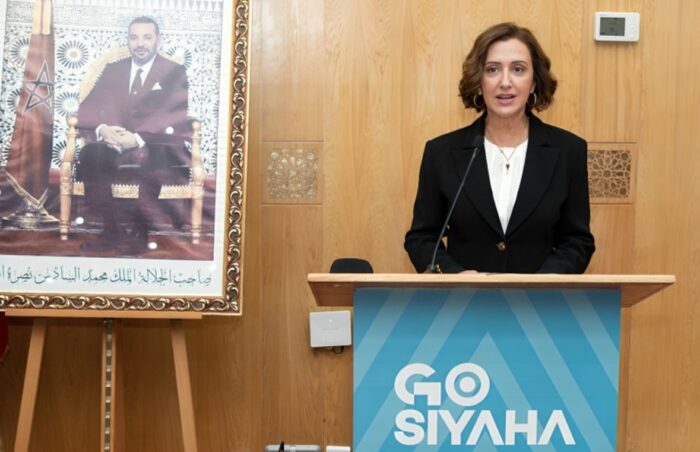
To systematically mitigate these regional disparities, the Moroccan government has launched the “Go Siyaha” (Go Tourism) program, aiming to create or develop 1,700 tourism-related small and medium enterprises nationwide. With 1,400 projects already approved and 300 more expected in 2026, the initiative directly impacts informal operators and local businesses by providing financial backing for digital technology, gastronomy, and territorial tourism. Simultaneously, the new “Kafaa” program seeks to formalize the sector’s workforce by officially certifying the professional experience of 5,000 tourism workers in 2026, offering tangible upward mobility for local communities.
Industry observers and regional policymakers should closely monitor the execution of a newly announced competition dedicated to rural tourism, unveiled during the recent Marrakech conference. Spearheaded jointly by the Moroccan Agency for Tourism Engineering (SMIT) and UN Tourism, this upcoming initiative aims to identify and financially support high-impact territorial projects designed to diversify the tourism offering. The selection and funding of these specific startups will serve as a crucial early indicator of whether policy innovation can successfully shift tourist footfall away from saturated urban centers.
For Morocco’s UN-endorsed model to truly serve as a scalable blueprint for the rest of Africa, the focus must now decisively expand from sheer volume to sustainable value. The government and private sector partners should prioritize investments that actively de-concentrate tourism, accelerating targeted infrastructure development in oasis, mountain, and rural regions to prevent urban overtourism. Furthermore, to deepen its Pan-African impact, Morocco should consciously leverage its rapidly expanding airline capacity to reduce the cost and friction of intra-African travel, transforming its heavily European-focused connectivity into a genuine continental hub. True innovation in African tourism will not be measured merely by how many millions of international visitors arrive, but by how deeply and equitably those economic benefits empower the continent’s local communities.

