
Nigeria’s vibrant tourism sector frequently suffers from low domestic engagement. Underdeveloped regional heritage pathways also limit the industry’s capacity to generate sustainable local employment. Therefore, launching aggressive domestic tourism campaigns has become a critical economic priority for national planners.
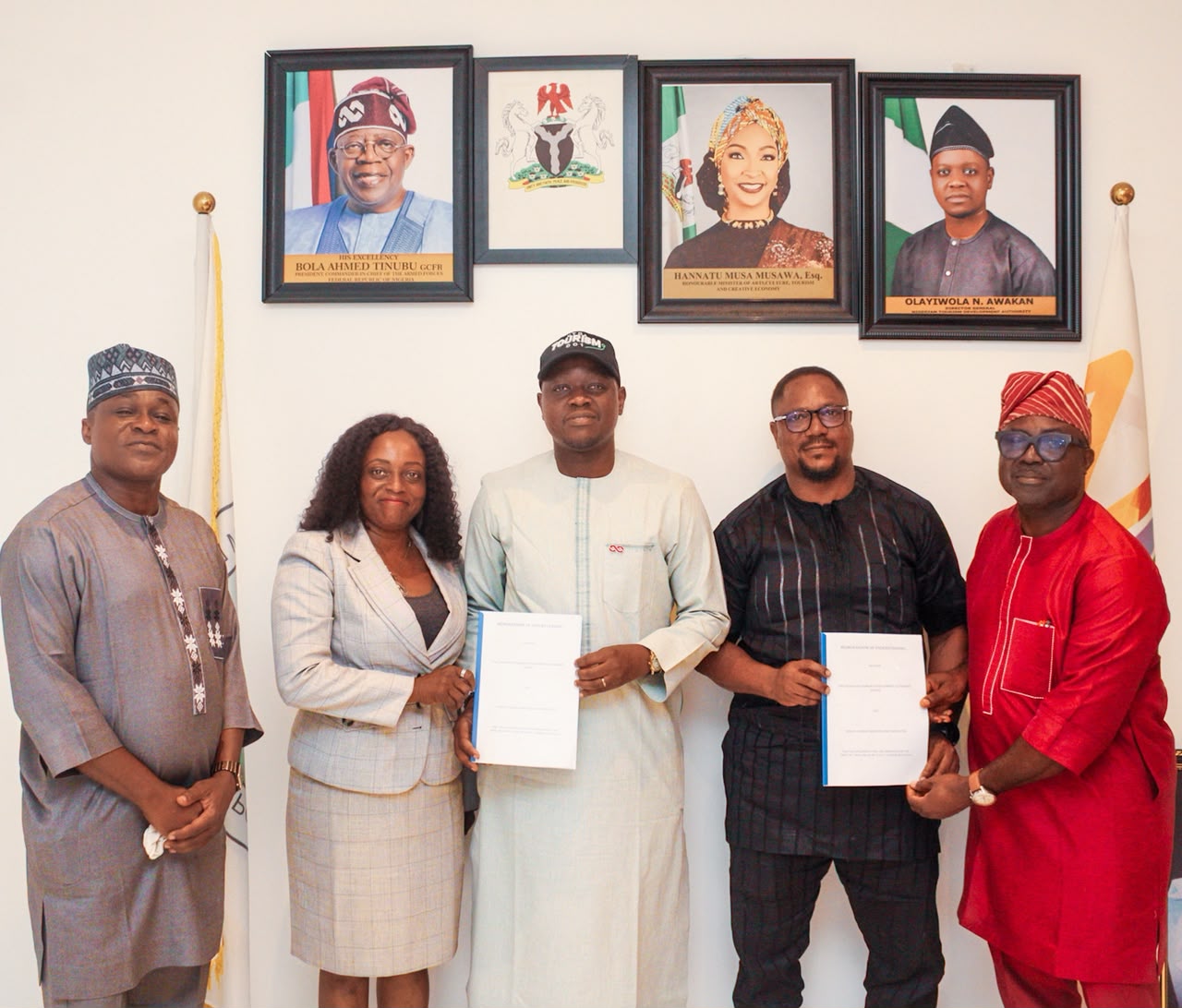
To drive this sector forward, the Nigerian Tourism Development Authority (NTDA) signed a formal Memorandum of Understanding (MoU) with LEXLUC Global Services and Tours Ltd. Signed at the NTDA headquarters in Abuja, the agreement provides institutional backing for a vital cultural program. Specifically, the partnership supports the expansion of the “Meet My Town, Know My State” initiative. NTDA Director-General Ola Awakan and LEXLUC Chief Executive Officer Mr. Oluwole Ajayi finalized the partnership. The strategic roadmap also incorporates exciting plans for a proposed West African Jollof Rice Championship and Tourism Festival to broaden regional cultural engagement.
Under the terms of the MoU, the division of responsibilities is clearly structured. For instance, LEXLUC will coordinate approved activities and design specialized tourism packages. They will also mobilize private sponsorships and provide routine progress reports. Conversely, the NTDA will contribute relevant travel data and policy guidance. The federal authority will also handle stakeholder engagement support within its statutory mandate and approval processes.
Breaking the Cycle of External Travel Dependency
This public-private partnership directly addresses a long-standing structural barrier. Historically, a heavy reliance on external leisure markets kept Nigeria’s vast cultural assets underutilized. The lack of structured local travel packages also prevented the hospitality economy from capturing its full employment potential.
Conversely, institutionalizing innovative domestic tourism campaigns creates a major economic opportunity. Fostering local exploration and packaging regional cultural assets stimulate domestic consumer spending. Furthermore, high-profile events like the Jollof Rice Championship encourage private investment in hospitality infrastructure. This strategy effectively positions tourism as a leading driver of community-level job creation.
Activating National and Continental Integration Goals
This collaboration aligns directly with national tourism development mandates. It also advances the broader objectives of Aspiration 1 of AU Agenda 2063, which promotes intra-African travel and cultural integration. Ultimately, the programs mirror the sustainable travel pathways set by UN Tourism Africa guidelines.
However, a persistent policy execution gap remains between high-level institutional agreements and grass-roots implementation. To ensure the partnership delivers measurable economic outcomes, both organizations must bridge bureaucratic delays. They must also work to improve local transport networks and secure sustained private-sector sponsorship. These resources are vital to support micro-hospitality enterprises.
In conclusion, the partnership between the NTDA and LEXLUC marks a proactive step toward unlocking Nigeria’s travel potential. Moving forward, transforming these strategic institutional commitments into thriving regional destinations will depend entirely on sustained private-sector execution.
