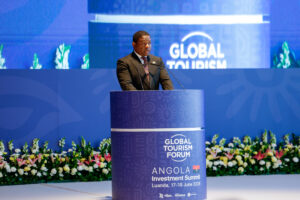
West African business professionals may soon find it much easier to book corporate retreats in Banjul. Specifically, a major new diplomatic push drives Gambia MICE tourism market expansion across the region. Gambia’s Minister of Tourism is leading a high-powered delegation to the upcoming Akwaaba African Travel Market in Lagos, Nigeria. The team will host a promotional reception at the Eko Hotel to engage travel agencies and aviation investors. This strategic move aims to unlock fresh regional revenue streams for local hospitality brands.

High Flight Taxes Stifle West African Skies
However, this shift hinges on whether West African nations can translate high-level tourism agreements into seamless travel corridors. This diplomatic push occurs within a challenging continental landscape. While West Africa possesses immense cultural synergy, regional aviation remains highly restricted. For instance, industry data reveals that West Africa’s air travel tax burden has reached $110 per passenger. Consequently, this is the highest rate on the continent.
Furthermore, trade experts highlight a persistent lack of consistent direct flights between the nations as a critical bottleneck. By contrast, East African regional blocs successfully co-promote joint travel packages across Kenya and Rwanda. Therefore, West African marketing has yet to replicate this level of successful integration. This development presents a significant opportunity to reshape travel by establishing Gambia as a top corporate business destination.
Shifting from Seasonal Leisure to Year-Round Business
By targeting this sector, Gambia aims to tap into Nigeria’s high-spending corporate market. Consequently, the country offers value-for-money alternatives for large corporate events. If successful, this can transition the Gambian hospitality sector away from a seasonal leisure destination reliant on European tourists. Instead, it can transform local hotels into a year-round regional business hub.
In addition, strengthening this corridor leverages deep cultural ties. Nigeria represents a ready market sharing deep historical affinities. Tourism remains the absolute backbone of Gambia’s economy. Nevertheless, diversifying into the Nigerian market provides a vital buffer against external economic shocks. The real financial return remains subject to improving local airport infrastructure.
Policy Frameworks Versus High Ticket Prices
On a policy level, this initiative aligns with the ECOWAS Free Movement Protocol. Consequently, it supports the broader goals of the African Continental Free Trade Area (AfCFTA). But a stark gap remains between these legal frameworks and operational realities. High aviation taxes and the slow implementation of the Single African Air Transport Market (SAATM) continue to keep ticket prices prohibitively high.
In conclusion, Gambia’s aggressive regional marketing campaign represents a commendable effort toward Pan-African integration. To finish this rollout, governments must actively dismantle these high transit taxes. For more updates on regional infrastructure challenges, check our guide on African transport infrastructure.