
For a long time, the valuable minerals found in West African soil have fueled industries in other countries. The local region missed out on manufacturing jobs and wealth. This is now changing. Major economic powers in West Africa are working together to achieve ECOWAS mineral industrialisation. This important shift will decide if the continent continues to just export raw materials. It will show if it can finally control the multi-trillion-dollar supply chains that power the world’s transition to clean energy.
The Accra Campaign: Processing Critical Minerals Locally
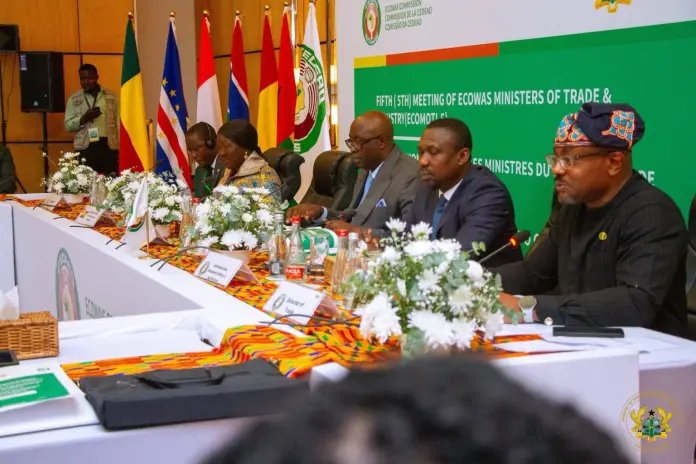
At the fifth joint Economic Community of West African States (ECOWAS) meeting of Ministers of Trade and Industry in Accra on June 12, 2026, member states launched a “mine together, process together” campaign. Ghana’s Trade Minister, Elizabeth Ofosu-Adjare, declared that Africa can no longer export its gold, lithium, bauxite, and cobalt in raw forms. She called for the integration of regional supply chains under the AfCFTA framework. Nigerian Federal Minister of Industry, Trade and Investment, Dr. Jumoke Oduwole, reinforced this by urging ministers to coordinate energy grids. She wants to connect transport corridors so that processed goods can seamlessly reach continental markets.
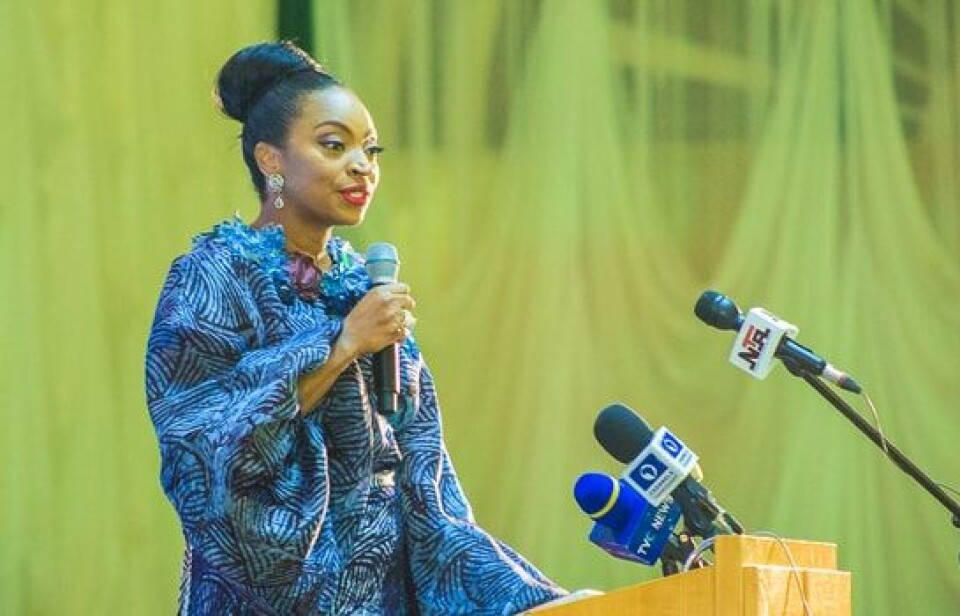
Chairperson of the ECOWAS Ministers of Trade and Industry, Alpha Ibrahim Sesay, stated the Commission is officially shifting from drafting policy documents to deploying “packaged implementation tools.” He noted that joint action is replacing isolated national projects. This development builds on the November 2025 national experts meeting in Lagos that finalised the Draft Revised ECOWAS Mineral Development Policy. This policy change outlines the strict roadmap for long-term ECOWAS mineral industrialisation. It also answers the February 2026 mandate from the Speaker of the ECOWAS Parliament, Mémounatou Ibrahima. She demanded that ECOWAS lead and harmonise the AfCFTA rollout to reverse the region’s weak industrial capacity and end the export of raw materials.
Building Regional Supply Chains Under the AfCFTA
Currently, Africa holds 30% of the world’s critical minerals but captures only 10% of the value. This happens because high-value processing occurs abroad. Without coordinated regional value chains (RVCs), the AfCFTA risks becoming a hollow framework. African nations might compete against each other by offering foreign mining companies excessive tax breaks. Instead, they must team up to focus on deep ECOWAS mineral industrialisation and process those materials locally.
The ECOWAS push connects directly to the broader goals of the AfCFTA Phase II protocols on investment and the Guided Trade Initiative (GTI). By pooling resources for cross-border processing, the bloc is laying the groundwork for robust RVCs. This includes refining Malian lithium in Ghanaian facilities or utilising Nigerian energy infrastructure. The United Nations Economic Commission for Africa (ECA) maintains that developing these RVCs in sectors like automotive, chemicals, and metals is a prerequisite for improving Africa’s participation in global value chains. It transforms the continent from a mere supplier of raw inputs into a resilient manufacturing hub.
The scale of this challenge and its potential reward is massive. According to the World Trade Organisation, Africa currently accounts for less than 1% of global exports. Speaker Ibrahima noted in early 2026 that intra-regional trade in West Africa remains below 10%. However, the ECA’s Economic Report on Africa 2025 projects that fully implementing the AfCFTA could boost intra-African trade by 45%. This is a $275.7 billion increase by 2045. The industrial sector stands to capture the vast majority of $165.6 billion of those gains.
Funding the Future of African Infrastructure
While the discussions in Accra showed promise, a significant lack of accountability persists regarding policy adoption and the funding of infrastructure. Chairperson Sesay highlighted an immediate need for $1.5 billion to spark rapid industrial growth specifically within West Africa. However, member nations have yet to make firm financial commitments to aggregate these funds.
The scale of the challenge is further emphasised by ECA projections. They indicate that $120.8 billion in transport equipment investments will be necessary by 2030 to meet the trade requirements of the AfCFTA. Unless this substantial funding deficit is addressed, the logistical problems to cross-border mineral refining will persist. It could potentially reduce the “mine together, process together” initiative to a mere unfunded directive.
In the coming weeks, observers must monitor the release of the specific implementation timelines, monitoring mechanisms, and periodic reviews promised by Minister Ofosu-Adjare at the conclusion of the Accra meeting. Additionally, attention should be paid to the ECOWAS Parliament’s upcoming legislative debates. Observers will see whether member states will actively modify their individual local content laws to align with this new regional framework. This will prove whether political declarations on ECOWAS mineral industrialisation will finally translate into binding, harmonised industrial action.