
For a Nigerian trader looking to move goods to Dakar or a business executive scheduling immediate meetings in Abidjan, the traditional hurdle of exorbitant fares and incessant layovers has often made intra-African travel a daunting enterprise. Accessible, direct routes have long been the missing link required to foster seamless trade and movement across the continent. When a regional carrier steps up to dominate the airspace with consistent service and expanded routes, the practical impact represents a pivotal advancement in closing the connectivity divide across the continent.
The airline’s dominance in the regional airspace through reliable service and new routes has fundamentally altered the travel experience, replacing a history of isolation with meaningful integration. For professionals such as Nigerian traders or executives arranging urgent consultations in countries in Africa, the long-standing obstacles of high ticket prices and frequent layovers have typically made travel within Africa a difficult endeavor. The availability of direct, accessible routes provides the essential link needed to encourage the fluid movement of people and commerce.
Recent industry recognition highlights this success, as Air Peace was honored as the Best West Africa Sub-Regional Airline of the Year at the 2026 Nigerian Aviation (NIGAV) Awards in Lagos for the second year in a row. During the 15th NIGAV Awards, the airline secured seven distinct honors, including the Airline Executive Chief of the Year award for Chairman and CEO Dr. Allen Onyema. Additionally, the carrier was lauded as one of the premier airlines in the region at the Balafon Awards in Accra, Ghana.
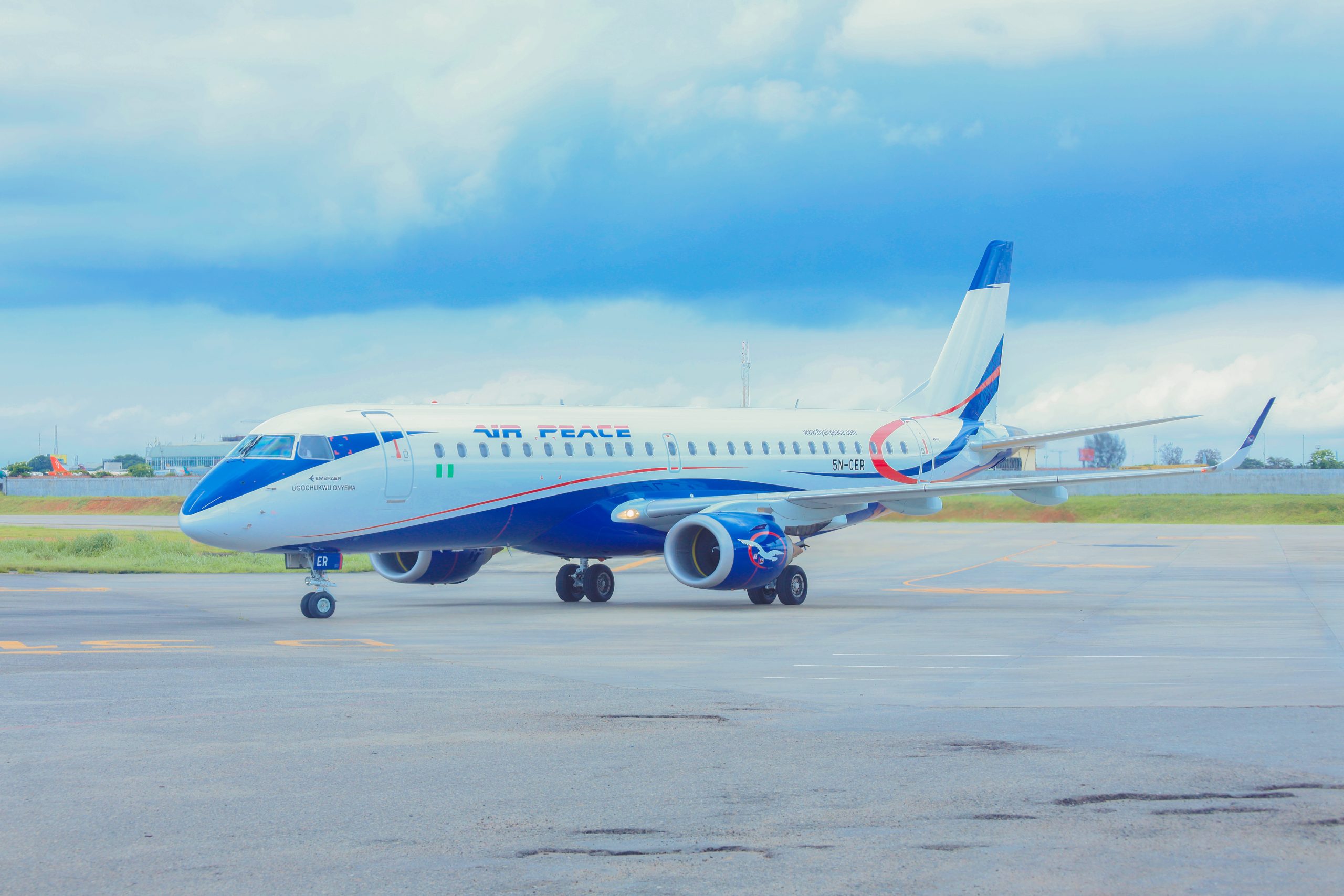
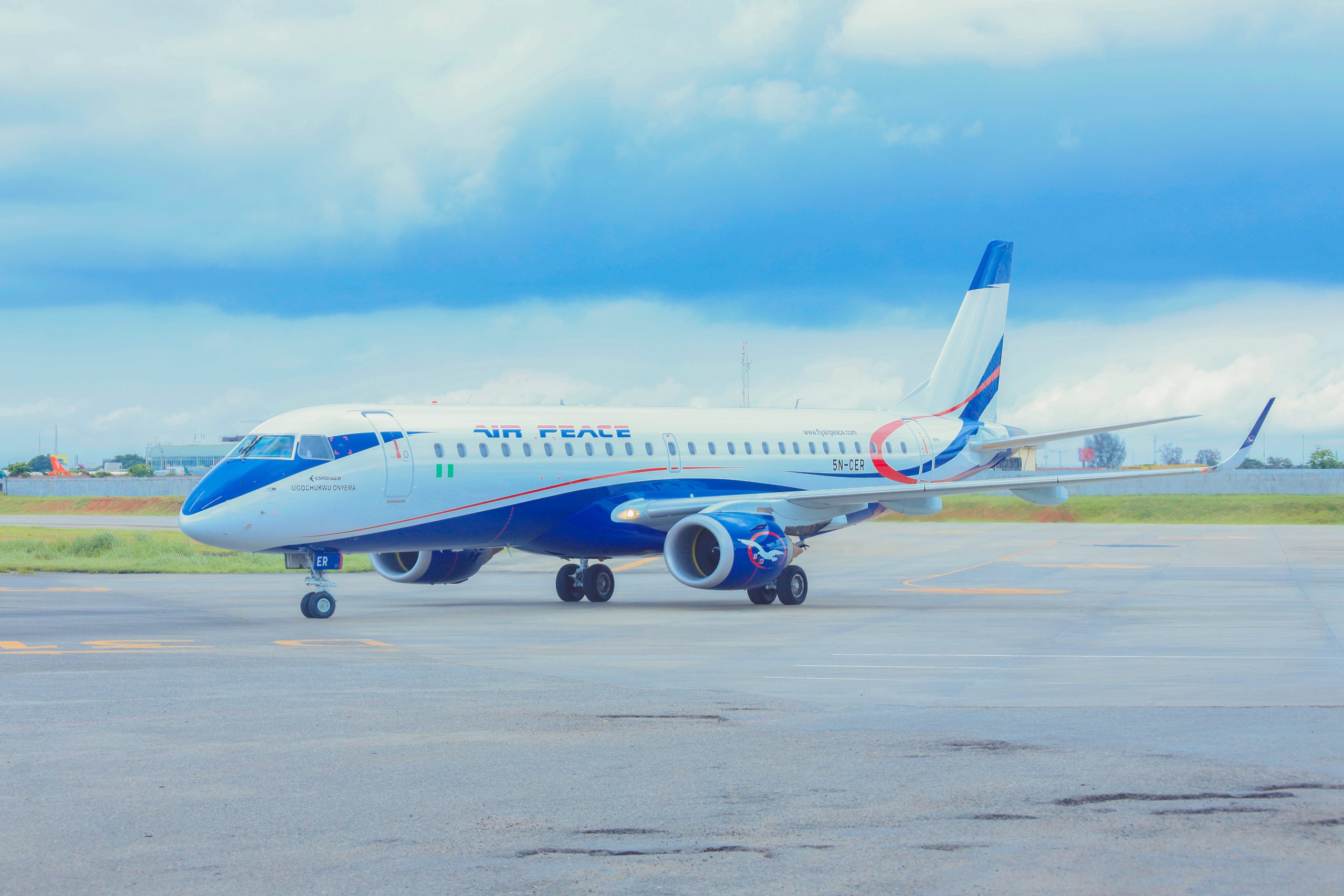
To support these achievements, Air Peace launched a broadened flight schedule on April 1, 2026, improving connections between Lagos, Dakar, Abidjan, Accra, Banjul, Freetown, and Monrovia. This operational growth included the addition of a 118-seater Embraer 190 aircraft to the fleet to strengthen regional and domestic capacity. Furthermore, the airline established a bilateral interline partnership with Turkish Airlines, enabling travelers to use one ticket for connections from West Africa via Istanbul to destinations worldwide.
Despite West Africa possessing a population exceeding 400 million people and demonstrating abundant economic and tourism potential, intra-regional air connectivity has historically remained a severe challenge. According to industry data presented by the International Air Transport Association (IATA), African airlines handle a disproportionately small share of global air transport, accounting for just 2% of the global market. The localized route networks provided by operators such as Air Peace, ASKY, and Air Côte d’Ivoire are actively working to reduce travel barriers that have historically stifled economic cooperation and cross-border tourism.
By establishing its primary hub in Lagos as a transit point linking West and Central Africa to global destinations, Air Peace is effectively reshaping the regional connectivity map. This targeted route development directly addresses the acute need for dependable regional services in Africa’s underserved airspace. A more interconnected West African aviation landscape actively prevents situations where African travellers are forced to rely on complex, out-of-region layovers just to travel between neighboring nations.
Air Peace’s operational footprint has grown significantly over the last decade, evolving from just seven aircraft in 2014 to a fleet of over 30, servicing 20 domestic, 10 regional, and seven international routes. On the international front, the airline successfully operated over 662 flights on its Lagos-London route since its launch on March 30, 2024, transporting more than 136,661 passengers. Furthermore, the airline’s introduction of Gatwick flights at a competitive rate of N1.2 million forced competing foreign carriers to drastically adjust their pricing models to maintain market share.
Air Peace’s aggressive regional expansion directly supports the objectives of the Single African Air Transport Market (SAATM) and wider aviation liberalisation frameworks. By opening direct routes between major West African capitals like Abidjan, Dakar, and Banjul without relying on restrictive bilateral constraints, the airline acts as a practical catalyst for the Yamoussoukro Decision. As Nigeria recently inaugurated its National Implementation Committee for SAATM to monitor compliance and open skies, the operational growth of indigenous airlines proves that liberalised markets can successfully sustain local carriers.
This enhanced regional network serves as a critical artery for intra-African tourism, SME mobility, and the free movement of people. When a small business owner in Freetown can seamlessly board a flight to Accra or Lagos on a Tuesday and return by Thursday, the friction of cross-border commerce diminishes significantly. Such operational developments not only encourage healthy market competition but also actively foster regional economic integration, reducing the continent’s reliance on foreign carriers while keeping capital circulating within Africa.
The industry should watch for the release of the African Airlines Association’s (AFRAA) Net Zero Pathway for African Airlines in May 2025, which will dictate how regional carriers balance economic survival with environmental sustainability. To maintain this positive momentum, African institutions must prioritize the harmonization of regulatory frameworks and support local airlines through targeted infrastructure investments rather than punitive taxation.

